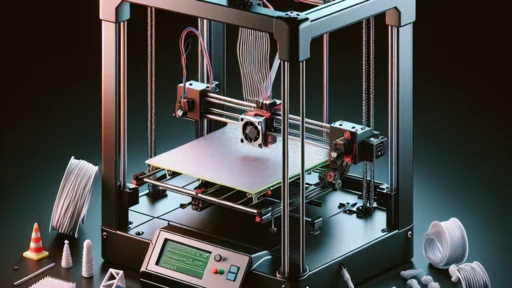




Sustainable 3D Printing: Eco-Friendly Filament Options
In recent years, 3D printing has taken the world by storm, revolutionizing how we create everything from prototypes to unique art pieces. However, like many technologies, it has a darker side—the environmental impact of plastic waste. Thankfully, the 3D printing community is becoming increasingly conscious of sustainability. One of the most exciting developments in this space is the emergence of eco-friendly filament options. Let’s dive into what sustainable 3D printing looks like and explore some eco-friendly materials you might want to consider for your next project.
What Makes Filaments Eco-Friendly?
Before we dive into the various filament options, it’s important to understand what makes a filament eco-friendly. Typically, eco-friendly filaments are made from biodegradable materials or recycled content. This means they break down more easily in the environment compared to traditional plastics, which can take hundreds of years to decompose. Furthermore, sustainable filaments often rely on renewable resources, like plant-based materials, minimizing their carbon footprint.
PLA (Polylactic Acid)
One of the most popular eco-friendly 3D printing materials is PLA, or Polylactic Acid. It’s widely loved for its ease of use and biodegradability. Made from renewable resources like corn starch and sugarcane, PLA is safe for the environment and emits fewer toxins compared to traditional plastic filaments during the printing process.
PLA is excellent for beginners and offers vibrant colors and details. However, while it’s great for many applications, like prototypes and decorative items, it may not be suitable for high-temperature environments. But for general-purpose printing, you can’t go wrong with PLA!
PETG (Polyethylene Terephthalate Glycol-Modified)
While not biodegradable, PETG is gaining traction due to its durability and recyclability. It’s a modified version of PET (the plastic commonly used for water bottles), making it a more sustainable option than many other filaments. PETG is strong, flexible, and resistant to impact, which makes it perfect for functional parts.
The beauty of PETG lies in its ability to be recycled. So, even if it doesn’t decompose like PLA, it can have a new life when it’s properly disposed of. Just make sure to check your local recycling guidelines before tossing it in the bin!
Recycled Filaments
Another innovative option is recycled filament, typically made from post-consumer plastic waste, like old bottles or other discarded plastic products. Brands have begun to emerge that specialize in turning this waste into high-quality printing materials. These filaments can have similar properties to their virgin counterparts, allowing you to print with a sense of eco-consciousness.
One prominent brand offers recycled PETG, which maintains strength and flexibility but significantly reduces environmental impact. It’s a fantastic way to join the circular economy and give new life to materials that would otherwise end up in landfills.
HIPS (High Impact Polystyrene)
HIPS is another alternative that’s starting to gain attention. While traditionally considered a standard filament, the eco-friendly variant is made from sustainable sources or is designed to be biodegradable. HIPS works well for support structures too, dissolving in limonene, leaving you with clean, smooth main prints.
Although it might not be the first name that pops into your head when thinking about sustainable materials, it can indeed play a part in your eco-friendly printing journey.
Other Emerging Options
The world of sustainable materials is ever-evolving, with new options emerging regularly. For instance, some companies are experimenting with wood-based composites and even algae-based filaments. These materials not only have a lower carbon footprint but can also provide unique textures and appearances to your prints. Just think—your next 3D printed object could be made partially from something as eco-friendly as algae!
Making the Shift
Transitioning to sustainable filaments is easier than you might think. Start by selecting a few rolls of eco-friendly filaments for small projects to see how they perform. Over time, you may find that your favorite designs fit perfectly with these greener materials, helping you reduce waste without sacrificing quality.
Not only could you lessen your environmental impact, but you’ll also be part of a growing community dedicated to making a difference through technology. Sustainable choices aren’t just good for the planet; they can also fuel your creativity and innovation in ways you might not have expected.
As you embark on your 3D printing journey, consider exploring these eco-friendly filament options. The way we create and produce is changing, and with a little effort toward sustainability, we can all be part of something positive. So let’s print responsibly and inspire others to follow suit!