


The Role of 3D Filaments in Professional Prototyping
In recent years, the world of design and manufacturing has seen a monumental shift with the rise of 3D printing. It’s like something straight out of a science fiction novel, isn’t it? Just imagine: designers can take ideas from just a sketch on paper and, with the help of advanced technology and some plastic filament, transform them into tangible prototypes. At the heart of this fascinating process are 3D filaments, which play a pivotal role in shaping products across various industries. So, let’s dive into how these filaments are transforming professional prototyping and what makes them so essential.
The Basics of 3D Filaments
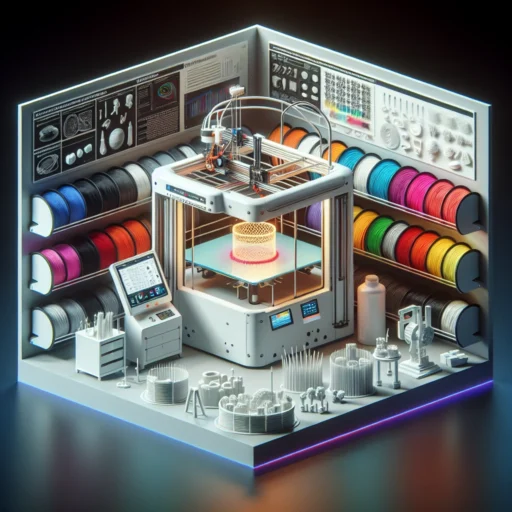
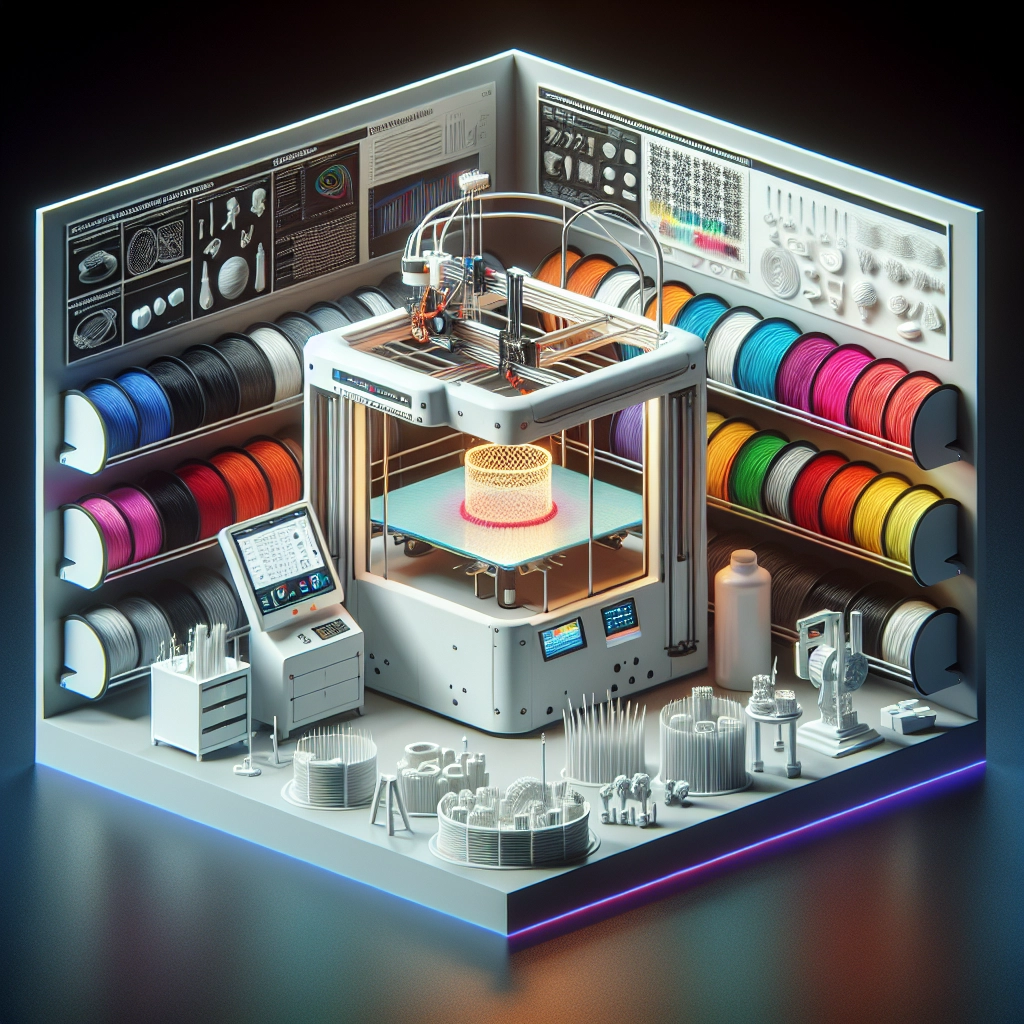
Before we jump into their role in prototyping, let’s touch on what 3D filaments actually are. In simple terms, a filament is a thin strand of material that is melted and extruded through a 3D printer’s nozzle to create layers, inching closer and closer to a complete object. Think of it as the "ink" of additive manufacturing.
There are different types of filaments available, each designed for specific applications. The most common ones include PLA (Polylactic Acid), ABS (Acrylonitrile Butadiene Styrene), PETG (Polyethylene Terephthalate Glycol-Modified), and TPU (Thermoplastic Polyurethane). Each of these materials comes with its own set of properties—think strength, flexibility, and heat resistance—that can significantly impact the prototyping process.
Speeding Up the Development Process
One of the most significant advantages of using 3D filaments in professional prototyping is the speed at which designs can be developed. Traditionally, creating prototypes involved lengthy and often expensive processes, including molding and machining. With 3D printing, designers can quickly print a prototype in a matter of hours rather than weeks or months. This rapid turnaround not only helps teams get their products to market faster but also frees up resources to focus on refining designs and enhancing functionality.
Imagine a toy designer who is trying to create the next best action figure. Instead of waiting weeks for a custom mold to be made, they can instantly print iterations, tweak the design, and reprint—allowing for a level of agility that is simply game-changing.
Cost-Effectiveness
Let’s talk dollars and cents. In a world where budgets are tight, particularly in startups or smaller firms, 3D filaments offer a cost-effective solution. Traditional manufacturing processes often require expensive machinery and raw materials, not to mention labor costs associated with high-quality production.
Conversely, 3D printing with filaments dramatically reduces manufacturing costs. A small spool of filament can yield multiple prototypes, and the expense associated with failed prints often pales in comparison to the costs incurred during traditional prototyping methods. Designers and engineers can afford to experiment more freely, leading to better end products.
Material Versatility
3D filaments come in a variety of materials, which means that designers can select the perfect one for their application. For instance, if the prototype needs to endure high temperatures, choosing a filament with a higher heat resistance, like ABS or PETG, is the way to go. If it needs to be flexible, then TPU is the ideal solution.
This level of specificity allows for accurate simulations of the final product’s functions. For example, in the automotive industry, creating parts that will be subjected to stress and impact requires precision in material selection. This ensures that the prototype behaves as close to the final product as possible, providing invaluable data early in the design stage.
Encouraging Innovation
Perhaps one of the most exciting facets of using 3D filaments in professional prototyping is the way they encourage innovation. Designers aren’t just limited to creating basic prototypes—they can explore complex geometries, intricate details, and designs that would be impossible through traditional methods.
This latitude for creativity means that unique ideas that may have once been sidelined can now be brought to life. Designers can experiment with various structures and forms, testing various theoretical approaches without the steep price tag typically associated with bespoke manufacturing.
With such innovative tools at their disposal, companies can not only enhance product quality but also push boundaries in their respective industries, leading to unique products that stand out in a crowded marketplace.
In this age of rapid technological advancement, 3D filaments have become the unsung heroes of professional prototyping. By shifting the focus towards speed, cost-effectiveness, and imaginative design possibilities, they enable businesses to foster innovation like never before. As we move forward, one thing is certain: the potential for creativity and efficiency in product development has never looked brighter. As businesses continue to embrace this technology, they not only redefine what’s possible but also set a foundation for an exciting, innovative future.


