
Choosing the Right Bed Surface for Your 3D Printer
When it comes to 3D printing, the bed surface can make or break your prints. It’s the unsung hero of the 3D printing world, playing a critical role in ensuring your creations stick—and don’t warp or come apart mid-print. With so many options available, how do you know which bed surface is the best fit for your printer and needs? Let’s dive into the world of 3D printing bed surfaces, exploring the various types and what they bring to the table (or in this case, the bed).
The Basics: What’s the Purpose of a Bed Surface?
First off, let’s clarify the role of a bed surface in 3D printing. The bed serves two main purposes: it provides adhesion for your print during the build process and it helps manage any heat that may be lost from the filament as it’s laid down. Choosing the right surface can help keep your prints secure while they build, which is crucial for achieving a successful and smooth final product.
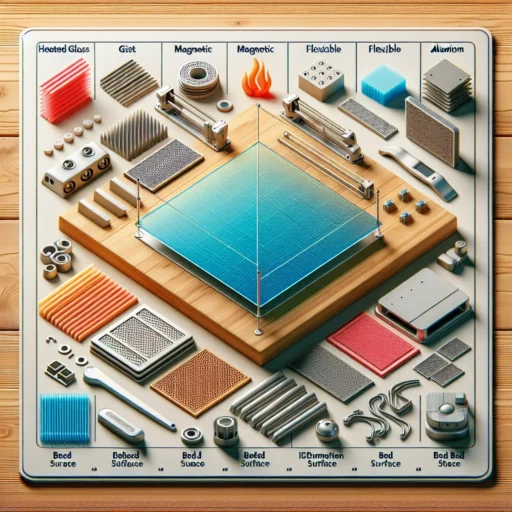
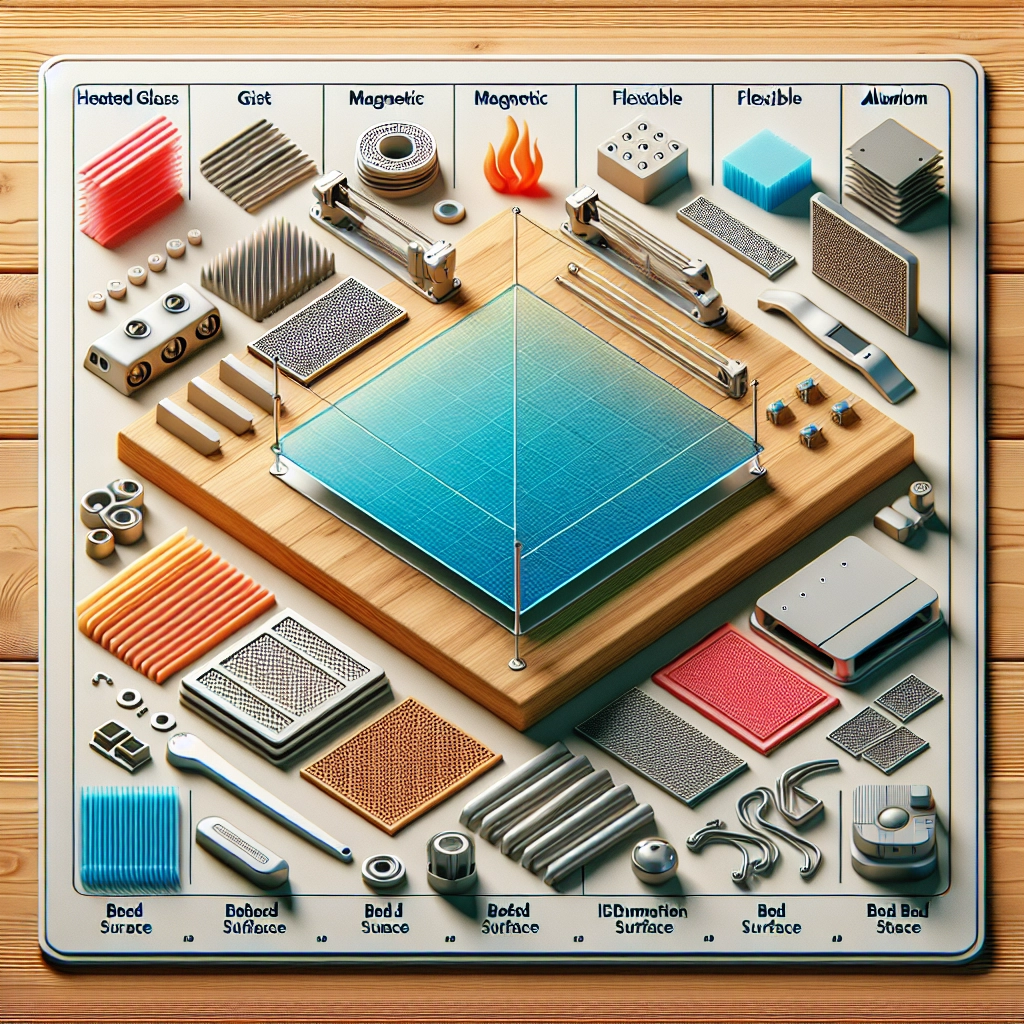
Types of 3D Printer Bed Surfaces
1. Glass
Glass is actually one of the most popular surfaces among DIY 3D printing enthusiasts, and for good reason. It provides an incredibly smooth surface, which can lead to excellent first-layer adhesion. You can use a glue stick, hairspray, or specialized adhesive to help your prints stick to the glass. Plus, it’s easy to clean!
However, be cautious with glass—it can be heavy and can break, so proper handling is crucial. Also, while glass can work great for many filaments, some users find it less effective with materials that contract upon cooling, like ABS, leading to warping.
2. PEI (Polyetherimide)
PEI is like the magic carpet of the 3D printing world. It offers superb adhesion for a variety of materials without needing extra adhesives. Just stick the PEI sheet onto your bed, and you’re good to go! It provides a smooth, glossy finish that can help create a polished first layer, making it popular among users of both FDM and SLA printers.
On the downside, PEI can be a bit pricey, and you need to be careful with the heating process as overheating can damage the surface. That said, it’s definitely worth considering if you print frequently and want a reliable, hassle-free bed.
3. BuildTak
BuildTak sheets are another fantastic option, especially for beginners. They’re durable and allow for excellent adhesion while also making it easy to remove prints once they’re finished. There’s no need for additional adhesives—you simply stick BuildTak onto your print bed. Plus, it comes in different varieties optimized for specific materials.
However, keep in mind that over time, BuildTak can wear out and lose its adhesion quality. If you print a lot, it might require replacement more often than you’d like.
4. Sticky Surfaces and Tape
Some hobbyists use painter’s tape or Kapton tape to create an affordable and effective print surface. Painter’s tape works well with PLA, while Kapton is great for materials like ABS. A great perk of using tape is that it’s cheap and easy to replace if needed.
While it’s not as aesthetically pleasing as other options, it gets the job done effectively, as long as you don’t mind replacing it regularly. Plus, it’s a fantastic budget-friendly solution for those just getting started in 3D printing.
5. Brim and Raft
If you’re struggling with adhesion on whatever your print surface of choice is, both brims and rafts can provide extra support to stabilize your models and enhance adhesion. A brim adds a thin band of material around your print, while a raft is a whole new layer between the print and the bed. These techniques can be quite handy but do add some extra material to your finished project.
How to Choose?
Choosing a bed surface ultimately depends on your needs, your experience level, and the materials you plan to use. If you’re printing mainly PLA, a glass or painter’s tape bed might work perfectly. For more advanced filaments like Nylon or TPU, you might consider options like PEI or BuildTak.
Also, take your printer’s capabilities into consideration. Some printers might have specific surfaces they recommend or that fit better with their specifications, so don’t hesitate to consult your user manual or various online forums.
In the world of 3D printing, the right bed surface can significantly enhance your printing experience, leading to smoother processes and higher-quality results. So don’t rush the decision! Take the time to explore the options and consider what works best for your projects. Happy printing!