


3D Printing for Professionals: When to Invest in High-Quality Equipment
3D printing has become a game-changer in countless industries, from healthcare to aerospace, engineering to fashion. Its ability to create intricate designs, reduce waste, and streamline production processes has garnered attention from both established businesses and startups alike. But with so many options available, a crucial question lingers: when should professionals make the leap to invest in high-quality 3D printing equipment?
Understanding the Landscape of 3D Printing
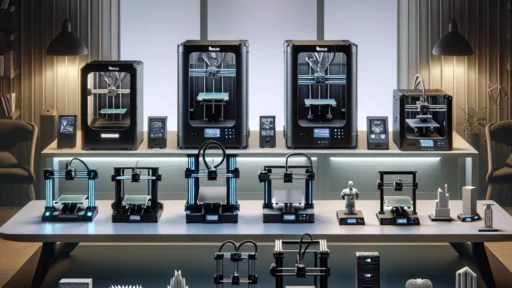
Before diving into the investment decision, it’s essential to understand the different types of 3D printing technologies and materials available. There are several methods, including Fused Deposition Modeling (FDM), Stereolithography (SLA), and Selective Laser Sintering (SLS), each with its own advantages and drawbacks.
For instance, FDM printers are generally more affordable and user-friendly, making them suitable for prototyping and hobbyist projects. On the other hand, SLA printers can produce highly detailed models at a finer resolution, making them ideal for prototypes in industries like jewelry design or medical applications. SLS, being a more advanced technology, allows for the production of robust functional parts but comes with a higher price tag.
When contemplating an investment in high-quality equipment, consider your specific needs and how different technologies could fulfill them.
1. Assess Your Current Workflow
One of the first steps before investing in high-quality 3D printing equipment is to evaluate your current workflow. Are you frequently outsourcing your 3D printing needs? If you’re often sending designs out to be printed, it might be time to bring that process in-house. Relying on external services can lead to delays, increased costs, and varying quality, which can be detrimental to meeting deadlines or maintaining brand consistency.
When you invest in high-quality equipment, you gain control over production timelines and the ability to rapidly prototype and iterate designs. The faster turnaround can significantly improve your operational efficiency and even spark innovation in your design processes.
2. Consider the Quality of Output
Not all 3D printers are created equal. High-quality printers tend to offer superior precision, material versatility, and durability of output. If your business involves creating models that require intricate details or functional parts, then investing in high-quality equipment makes sense.
The difference in output quality can be the deciding factor for clients or customers. For industries like healthcare, automotive, or aerospace, where precision is crucial, the cost of entry for high-quality printers could easily be justified by the value of delivering accurate, reliable prototypes or components.
3. Factor in Long-Term Costs and Maintenance
It’s easy to be lured in by the affordable, entry-level 3D printers available on the market. However, it’s essential to consider the total cost of ownership. Cheaper printers may incur higher operational costs over time due to maintenance, material waste, or limited capabilities.
High-quality printers may require a more significant upfront investment, but they often have lower running costs in the long run. Consider factors like material costs, upkeep, and the printer’s life expectancy. An initial investment in a reliable, high-quality 3D printer can save you money over time by reducing the need for repairs and improving efficiency.
4. Identify Your Growth Potential
Think about your business’s growth trajectory and how an investment in high-quality equipment aligns with your goals. If you’re experiencing rapidly growing demand for 3D printed products, upgrading your printing capabilities makes practical sense.
Additionally, consider how high-quality equipment could expand your service offerings. Having the ability to print with a variety of materials or produce functioning prototypes could open new avenues for your business. Increased production capacity can be the difference between meeting client demands and falling behind competitors.
5. Stay Updated with Tech Advancements
The world of 3D printing is dynamic, with new technologies and materials emerging all the time. As a professional, it’s essential to stay abreast of the latest developments. Investing in high-quality equipment often means adopting newer technologies that can enhance your capabilities and efficiency.
Companies that are willing to invest in the latest machinery often enjoy a competitive edge, allowing them to offer cutting-edge solutions to their clients. Keeping an ear to the ground for innovations in 3D printing can help you make informed decisions about when and what to invest in.
In the end, the decision to invest in high-quality 3D printing equipment should be grounded in careful consideration of your business’s unique needs and future aspirations. Quality and precision matter, especially in a professional setting. By evaluating your current workflow, potential output quality, long-term costs, and growth opportunities, you can make an informed choice on whether it’s time for an upgrade. Embracing high-quality equipment can be that catalyst for innovation your business needs, paving the way for creative solutions you hadn’t even imagined yet.