


Working with Flexible Filaments: Tips and Techniques
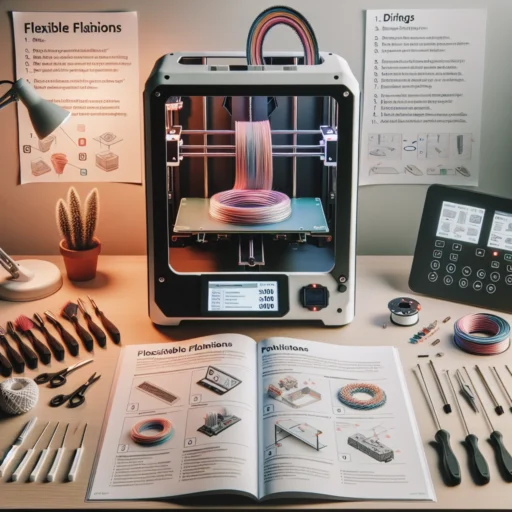
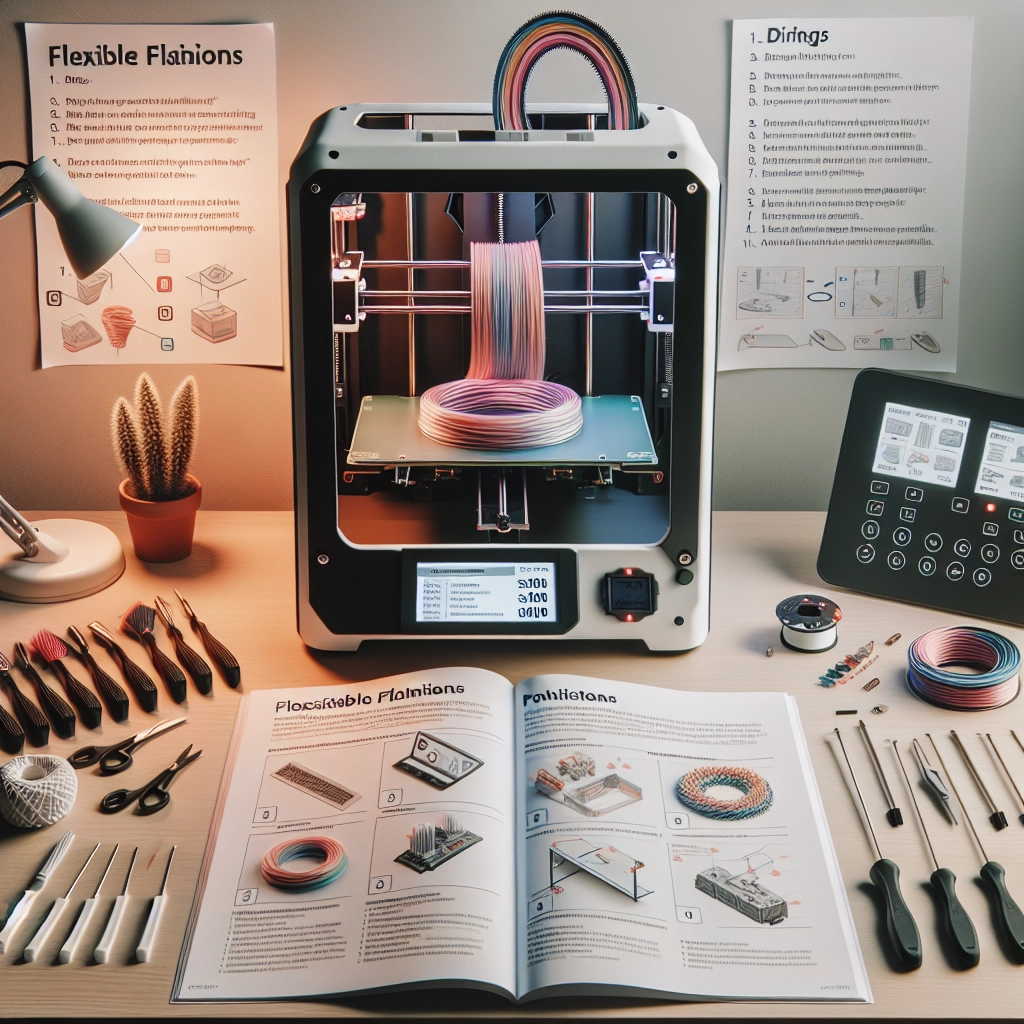
If you’ve recently dipped your toes into the world of 3D printing, you might have found yourself fascinated by the possibilities of flexible filaments. These versatile materials can stretch, bend, and flex, making them perfect for creating everything from phone cases to custom gaskets. However, 3D printing with flexible filaments can be a bit tricky if you’re used to the standard PLA or ABS. But fear not! With a few tips and techniques up your sleeve, you’ll be crafting with these fun materials in no time.
Understand Your Filament
Before diving into the practicalities of printing, it’s important to get familiar with the various types of flexible filaments available. The most common ones include Thermoplastic Polyurethane (TPU) and Thermoplastic Elastic (TPE). These materials are often used interchangeably, but they have distinct properties. TPU tends to be more durable and resistant to wear, while TPE is often softer and more elastic. Check the specifications on your filament spool to understand its unique characteristics and required print settings.
Choosing the Right Printer
When working with flexible filaments, not all printers are created equal. If you’re using a direct-drive extruder, you’re in luck! Direct drive setups feed the filament directly into the hot end, which minimizes the distance the filament needs to travel. This is particularly helpful for flexible filaments, which can be prone to jamming or slipping in a Bowden setup.
If your printer has a Bowden extruder, don’t worry. It’s still possible to print with flexible filaments, but you may need to make some adjustments. Consider using a shorter Bowden tube to reduce the filament’s travel distance and make sure it’s well-aligned.
Tweak Your Print Settings
Getting the right print settings is crucial when working with flexible filaments. Start with the following tips:
-
Temperature Matters: Generally, flexible filaments print at a higher temperature—usually between 220 to 250 degrees Celsius. Always refer to the manufacturer’s guidelines for the optimal temperature.
-
Slower Print Speeds: While you might be tempted to speed things up, flexible filaments benefit from slower print speeds. A speed of around 20-30 mm/s usually works best to avoid print inconsistencies.
-
Adjust Retraction Settings: One of the challenging aspects of flexible filaments is retraction. Too much retraction can lead to clogs. A minimum retraction distance (around 1-2 mm) and reduced retraction speed can help produce cleaner prints.
-
Bed Adhesion: Flexible filaments can be more prone to warping, so a good first layer is essential. Consider using a heated bed (with temperatures around 50-60 degrees Celsius) and experiment with different types of surfaces, like PEI sheets or blue painter’s tape.
Support Structures
While many flexible filament projects don’t require supports, sometimes they’re unavoidable. If you find yourself needing them, make sure to select a support type that can be easily removed without damaging the flexible parts. You can also experiment with printing supports using more rigid materials like PLA, which may be easier to manage.
Post-Processing Techniques
After printing, you may want to clean up your flexible models. Depending on the type of flexible filament you’ve used, sanding or trimming can be trickier. Instead, you might consider using a heat gun to reshape and smooth out certain areas. Just be very careful—flexible filaments can deform quickly, and a little heat goes a long way!
It’s also worth noting that flexible filaments can sometimes absorb moisture from the air, which can lead to stringing or bubbling during printing. Make sure to store your filament in a dry environment, preferably in airtight containers or vacuum-sealed bags with desiccants.
Experiment and Have Fun
Above all, don’t be afraid to experiment! The beauty of 3D printing is in the creativity it unlocks. Try blending flexible filaments with rigid ones to create unique combinations, or play with different infill percentages and patterns to find what works best for your project.
The journey into printing with flexible filaments can feel challenging at first, but the end results are often worth the effort. With patience, practice, and a sprinkle of curiosity, you can unlock a whole new world of design possibilities. So grab that spool of flexible filament and let your imagination run wild! Happy printing!


