

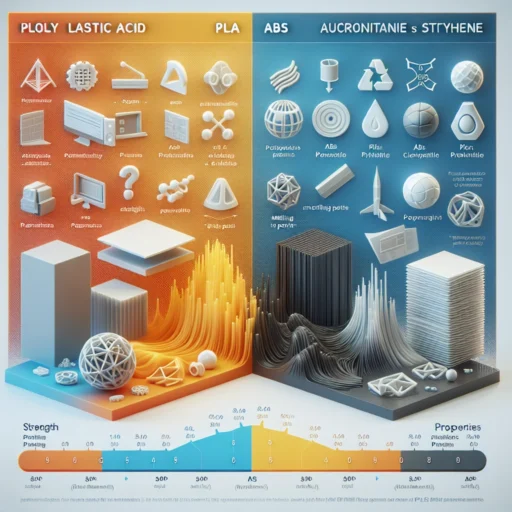
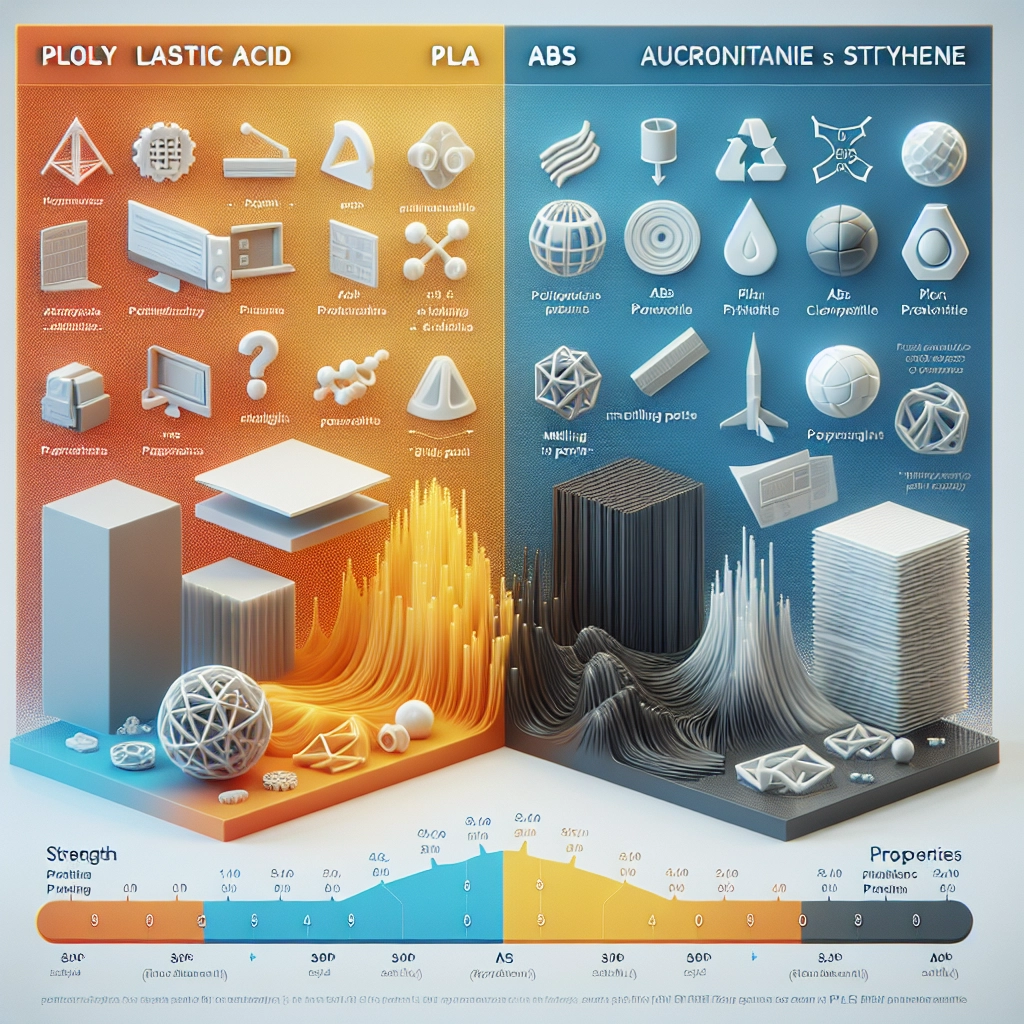

When it comes to 3D printing, choosing the right filament can make a world of difference in the quality of your prints and the success of your projects. Two of the most popular choices in the filament universe are PLA (Polylactic Acid) and ABS (Acrylonitrile Butadiene Styrene). Each has its pros and cons, and understanding these can help you pinpoint which is best for your specific needs. Let’s dive into the benefits of PLA and ABS to see which one might be the better fit for your 3D printing endeavors.
PLA: The Go-To for Beginners
1. Ease of Use
PLA is often touted as the beginner’s filament, and for good reason. It’s incredibly easy to work with, adhering well to the build plate and usually requiring little to no additional setup. It doesn’t warp much during the printing process, leading to functional prints right out of the gate. This makes it a fantastic option for those just starting in the 3D printing world.
2. Environmental Friendliness
One of the standout benefits of PLA is its biodegradable nature. Made from renewable resources like cornstarch or sugarcane, it breaks down naturally over time, making it a more eco-friendly option compared to ABS. If you’re someone who’s passionate about sustainability, PLA is definitely worth considering.
3. Variety of Colors and Finishes
Want to create vibrant, eye-catching designs? PLA offers a dazzling array of colors and finishes, including matte, glossy, and even metallic looks. This extensive color palette makes it easier for you to bring your creative visions to life without the hassle of painting or post-processing.
4. Low Odor
Printing with PLA produces very little odor compared to other filaments, most notably ABS. This makes it suitable for use in home environments or shared spaces, as you won’t have to worry about fumes that could potentially irritate your senses.
ABS: The Tough One
1. Strength and Durability
When it comes to toughness, ABS takes the cake. It’s more resistant to impact and heat compared to PLA, which can break or deform under pressure. This makes ABS an excellent choice for functional parts or prototypes that need to withstand wear and tear, such as automotive or mechanical components.
2. Better Temperature Resistance
If your 3D prints need to endure higher temperatures, ABS is your best bet. It has a higher glass transition temperature compared to PLA, allowing it to withstand hot environments without compromising shape or structural integrity. This quality makes ABS an ideal choice for items that may be exposed to heat, like automotive parts or kitchen tools.
3. Post-Processing Possibilities
ABS is also favored for its post-processing capabilities. It can be sanded, painted, and vapor smoothed with acetone to give your prints a polished finish. This flexibility can be incredibly useful for artists and designers looking to refine their work further.
4. Lower Price Point
In many cases, ABS can be found at a lower price compared to PLA. If you’re looking to do a lot of printing on a budget, going with ABS might provide savings that you can reinvest into additional filament or new projects.
Which to Choose?
The choice between PLA and ABS often boils down to what you’re looking to accomplish. If you’re a beginner, working on a hobby project, or focusing on eco-friendliness, PLA might be your best friend. It provides that sweet spot of ease, color variety, and reduced odor.
On the flip side, if you need durable, heat-resistant prints for practical applications, ABS is likely the more suitable option. Its strength and post-processing versatility make it the MVP for serious applications.
Ultimately, both PLA and ABS have their unique strengths, and many seasoned 3D printing enthusiasts find themselves having a spool of each in their toolkit. Depending on your projects and personal preferences, embracing both filaments might open up a world of creative possibilities and functional designs. So, whether you go green with PLA or tough it out with ABS, there’s a whole universe of creativity waiting to be unleashed in the realm of 3D printing!