
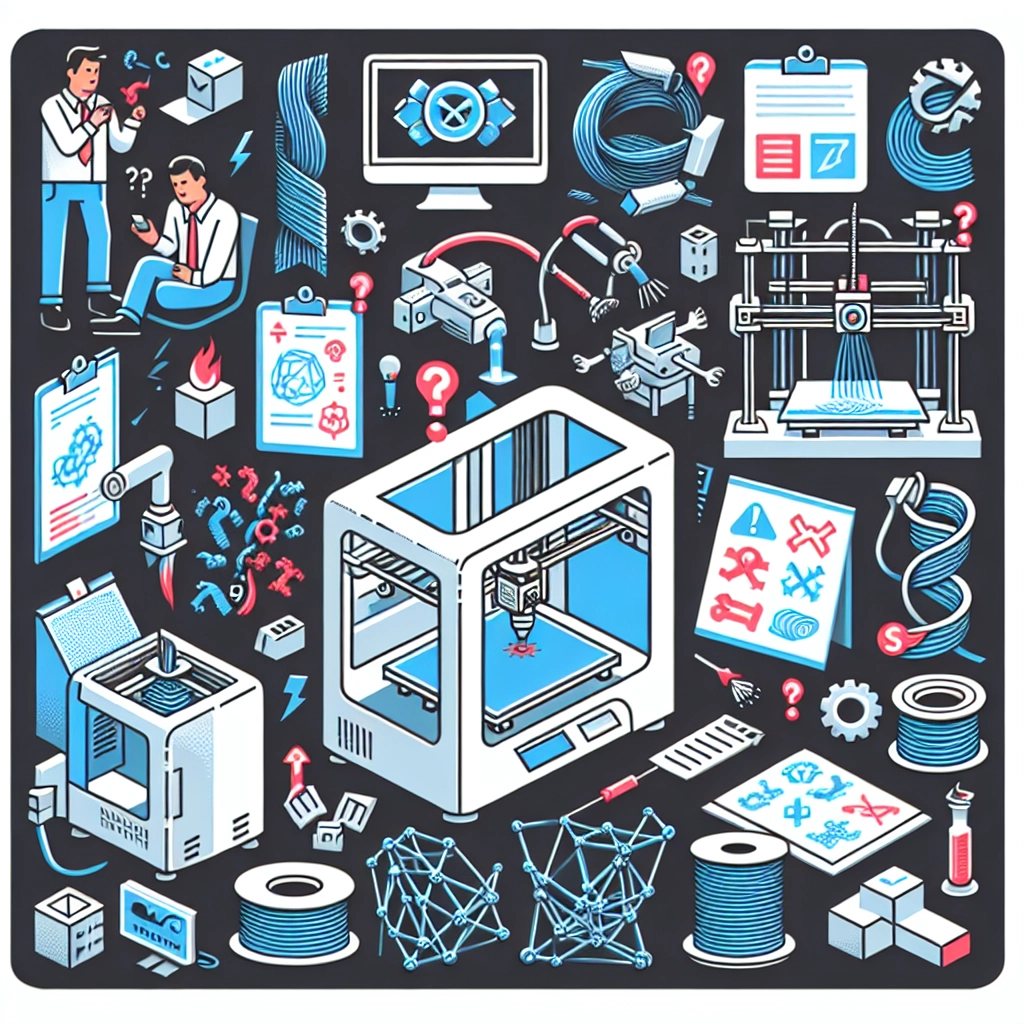

3D Printing Challenges and How to Overcome Them
3D printing is an exciting frontier that has transformed many industries, from healthcare to aerospace. However, like any innovative technology, it comes with its own set of challenges. Whether you’re a seasoned pro or just dipping your toes into the world of additive manufacturing, it’s essential to recognize these hurdles and think about ways to surmount them. Let’s dive into some common 3D printing challenges and explore how you can effectively address them.
1. Print Quality Issues
Have you ever tried to print something amazing, only to end up with a layer of spaghetti instead? Print quality problems can stem from a variety of factors, including improper calibration, the type of filament used, or even the environmental conditions where your printer resides.
Solution:
Ensure that your 3D printer is properly calibrated. Regularly check and adjust the bed level and nozzle height to prevent adhesion issues. Pay attention to the filament you’re using; different materials have different characteristics, and some might be more suited to your design than others. It could also help to invest in good-quality filament from reputable manufacturers. Finally, try to control the environment by avoiding drafts and fluctuations in temperature.
2. Filament Problems
Filament jams, clogs, and degradation are all part of the 3D printing saga that can bring your projects to a halt. Low-quality filament, moisture absorption, and improper storage can all lead to these nuisances.
Solution:
Store your filaments in airtight containers with desiccants to keep moisture at bay. Regularly clean your printer’s nozzle to prevent clogs, and consider using a filament that is less prone to jams. A little bit of care can go a long way in maintaining filament integrity.
3. Design Limitations
When you’re designing a model for 3D printing, it’s easy to get carried away with complexity. However, intricate designs can result in printing errors or structural weaknesses.
Solution:
Keep the design simple and functional. Think about the capabilities of your 3D printer when you’re designing. Software tools that are made specifically for 3D modeling can help identify potential issues before you hit the print button. Learning about common design rules for 3D printing, like overhang angles and wall thickness, can save you a lot of headaches down the line.
4. Printing Speed vs. Quality
Ah, the classic dilemma: do you want it done fast or do you want it done well? Increasing the print speed can often lead to a loss in quality, and slow printing can be painfully time-consuming.
Solution:
Strike a balance between speed and quality. Most slicer software allows you to adjust settings like layer height, speed, and temperature. Experiment with these to find a sweet spot. Consider using faster printing speeds for prototypes and lower settings for the final print. Sometimes, a little adjustment can yield remarkable results.
5. Cost of Equipment and Materials
Let’s face it: 3D printing can get pricey. From the initial investment of the printer itself to the ongoing cost of high-quality materials, it can feel like you’re burning cash instead of printing amazing objects.
Solution:
Invest in a reliable yet budget-friendly printer. Do your research on cost-effective material options. There are many competitive brands out there offering quality filaments at a lower price. Additionally, consider joining a maker community or a local fab lab where you can access high-end machines and materials without the hefty costs.
6. Post-Processing Woes
Once you’ve printed your masterpiece, it’s time to clean it up. Unfortunately, post-processing can often feel like a laborious chore, as you may need to sand, paint, or assemble the parts.
Solution:
Planning your print with post-processing in mind can alleviate some of these issues. Choose appropriate settings that might minimize the need for post-processing, or consider designs that lend themselves to easier assembly and finishing. Engaging with up-to-date tutorials on post-processing techniques can also make the process less daunting.
3D printing may come with its fair share of challenges, but it also offers countless opportunities for creativity and innovation. Being prepared to face these common hurdles head-on not only improves your prints but also enhances your overall experience in this fascinating field of technology. With patience, practice, and a willingness to learn from mistakes, you’ll find that the art of 3D printing becomes less of a struggle and more of a delightful journey. Embrace the challenges—they’re what help you grow as a maker!