
Getting the Most Out of Your 3D Printing Materials: Storage and Care Tips
3D printing has revolutionized the way we create and innovate, allowing makers and professionals alike to turn digital designs into tangible objects. But did you know that the quality and longevity of your 3D printing materials can significantly influence your results? If you’re getting into 3D printing or are a seasoned maker looking for some tips, understanding how to properly store and care for your materials can make a world of difference. Let’s dive into the essentials of storing your filaments and resins to ensure they’re always ready when inspiration strikes.
Why Storage Matters
The way you store your 3D printing materials affects not only their shelf life, but also the quality of prints you will be able to produce. Materials like PLA, ABS, PETG, and various resins react differently to environmental factors such as moisture, temperature, and even how they react with UV light. Proper storage can help maintain their integrity, ensuring they perform well when it’s time for that big print.
Keep It Dry
Moisture is the nemesis of many 3D printing materials, especially filament. When filaments absorb moisture from the air, they can swell or become brittle, leading to poor print quality or even clogs in your printer. Here are a few tips to keep moisture at bay:
-
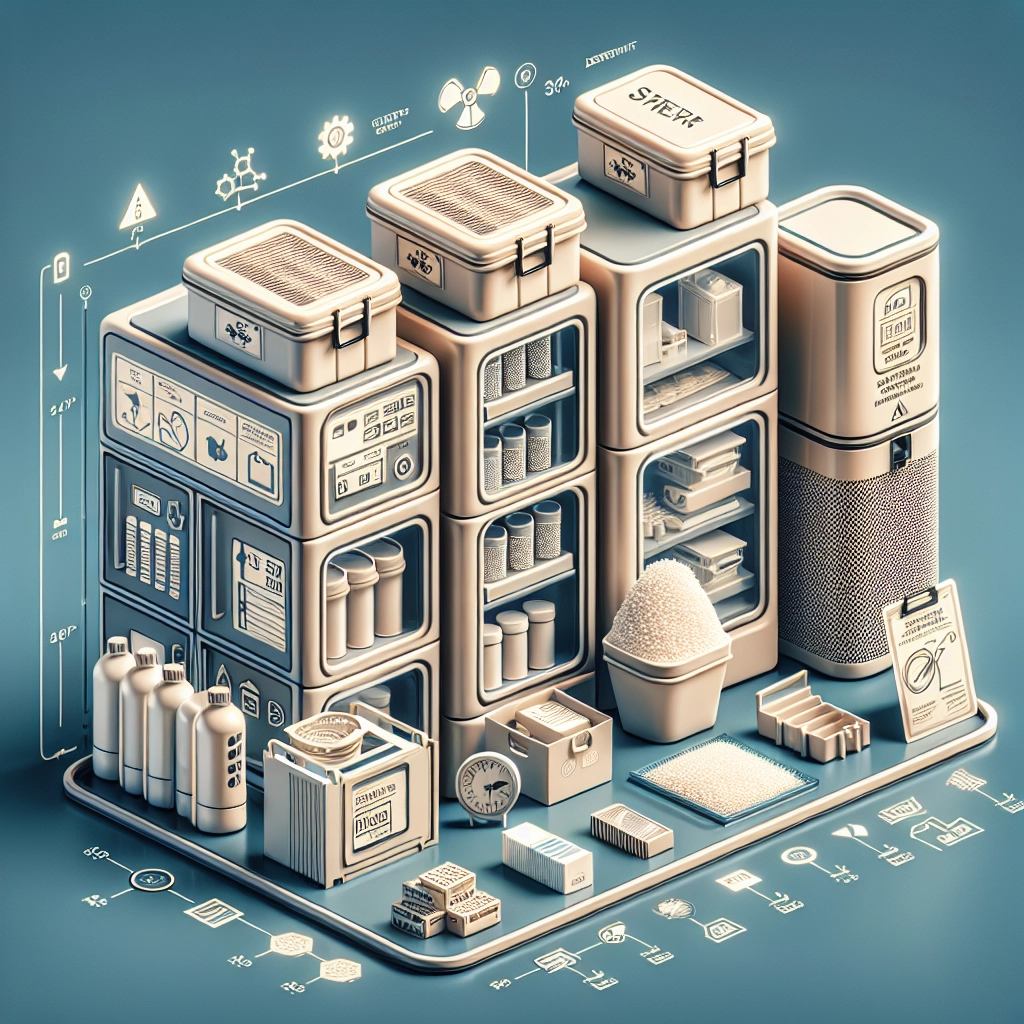
Use Airtight Containers: Consider investing in airtight containers or vacuum-sealed bags specifically designed for 3D printer filaments. Storing your materials in these will provide an effective barrier against moisture. You can add silica gel packets to absorb any excess humidity.
-
Desiccant Packs: Besides silica gel, you can also use other desiccants to keep the humidity under control. Some folks love using clay desiccants or even specialized 3D printing storage solutions designed with integrated humidity control.
-
Temperature Control: Keep your storage area cool but not freezing. Extreme temperatures can also negatively affect filament, so a climate-controlled space is ideal.
UV Protection
If you’re working with light-sensitive materials, such as resins, UV light can break them down even in small amounts. Here’s how to protect them:
-
Opaque Containers: Store resins in opaque, UV-blocking containers. This helps safeguard them against light exposure that can reduce their quality over time.
-
Avoid Direct Sunlight: If you have to store materials near a window or under bright lights, consider using curtains or blinds to shade them from direct sunlight.
Keep It Organized
An organized workspace not only streamlines your projects, but it also helps you keep track of what materials you have and their condition:
-
Label Everything: Clearly label your containers with material type, color, and the date of purchase. This helps in tracking how long materials have been stored — some materials might degrade over time, even in perfect conditions.
-
Inventory List: Keep an inventory list of your stock. This can be as simple as a spreadsheet on your computer or a handwritten list on your garage wall. Knowing what you have on hand prevents unnecessary purchases and ensures you use older materials first.
Maintain Proper Use
Once you’ve safely stored your materials, maintaining them during use is also essential:
-
Dry Before Use: If you suspect your filament might have absorbed moisture, consider running it through a filament dryer before you start a print. This can help restore its properties, saving you from wasted materials and print failures.
-
Check Condition Regularly: Occasionally inspect your materials for any physical signs of degradation, like discoloration or brittleness. Toss any materials that don’t meet your quality standards.
Don’t Forget to Have Fun!
3D printing is an incredibly rewarding hobby or profession, and taking steps to ensure your materials are well-maintained can greatly enhance your experience. By investing a little extra time in storage and care, you’ll find that your prints turn out better, and you can make the most out of every spool or vat of resin you own. Plus, staying organized and aware of your supplies means you can focus more on the creative aspects of your projects rather than dealing with pesky material issues.
In the end, treat your 3D printing materials with the same care you would any valuable tool in your workshop — after all, the best creations start with the best ingredients! Happy printing!