
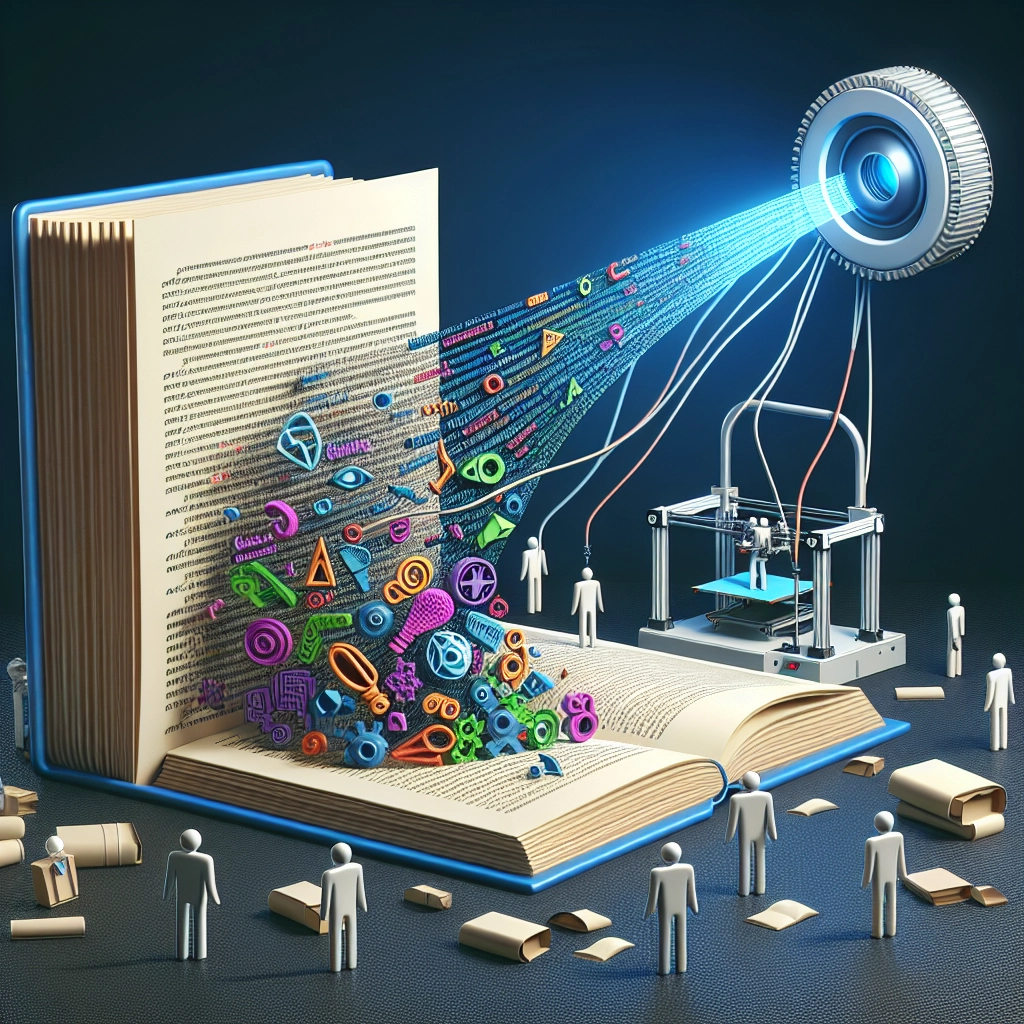

The Role of Open-Source Software in the 3D Printing World
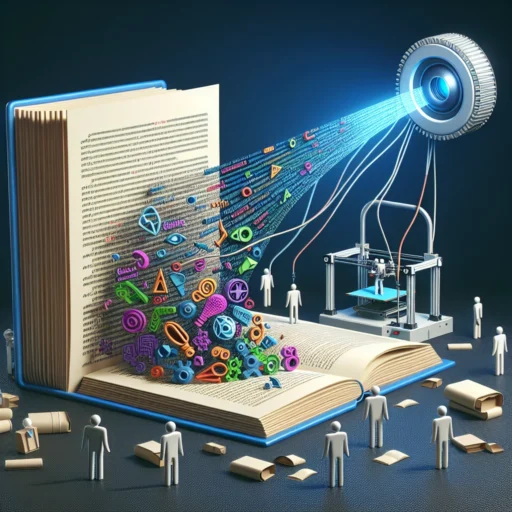
In recent years, 3D printing has captured the imagination of makers, entrepreneurs, and hobbyists alike. The rise of this technology has not only revolutionized the way we think about manufacturing but has also opened up a world of possibilities for creativity and innovation. At the heart of this evolution lies the significant role of open-source software, which has become a game-changer in the 3D printing industry.
So, what is open-source software? Simply put, it’s software that has its source code made available to the public, allowing anyone to study, modify, and distribute it. This philosophy of openness promotes collaboration and transparency, enabling users to contribute and improve software continuously. In the context of 3D printing, open-source software provides a plethora of benefits that empower users and drive the community forward.
Accessibility for Everyone
One of the most compelling advantages of open-source software is accessibility. Unlike proprietary software, which often comes with hefty price tags and restrictive licenses, open-source alternatives allow anyone with an internet connection to dive into the world of 3D printing without financial barriers. Take a look at programs like Cura or PrusaSlicer—both of which are popular slicing software that anyone can download for free. This has made 3D printing more accessible to educators, students, and hobbyists who want to experiment and learn without breaking the bank.
Community Collaboration
Open-source software thrives on collaboration. Developers and users from around the globe contribute their skills to create new features, fix bugs, and improve usability. This community-driven approach has led to rapid advancements in 3D printing software. For example, Blender, a powerful open-source 3D modeling tool, has gained popularity among designers and artists for creating intricate models ready for 3D printing. The community actively shares tips, tutorials, and even model files, making it easier for newcomers to learn and engage in the craft.
Customizability and Flexibility
The beauty of open-source software lies in its customizability. Unlike proprietary software, where users are often limited to certain features and workflows, open-source programs allow users to tweak and modify the software to fit their unique needs. This is particularly beneficial for 3D printing, as users can modify slicers or modeling tools to better suit the specifications of their specific printer or project.
For instance, advanced users and developers can fork projects to create custom versions that cater to specialized industries, such as medical applications or architectural modeling. This flexibility ensures that no matter what your 3D printing needs are, there’s likely an open-source tool out there that can be tailored just for you.
Fostering Innovation
Open-source software fosters innovation. Since anyone can inspect and alter the source code, new ideas can be tested and shared quickly. This has led to significant advancements in features like adaptive slicing, mesh repair, and support generation, which all make the 3D printing process smoother and more efficient.
Innovations in 3D printing often spill over into hardware development as well. Consider the success of the RepRap project, which aimed to make 3D printers that could replicate themselves using open-source designs. This project not only has led to a community of hobbyists building and improving their printers but has also sped up the development of more sophisticated hardware and expanded the available file formats.
Reducing Waste and Promoting Sustainable Practices
Open-source software, combined with 3D printing, also contributes to sustainability efforts. By sharing designs and resources, communities can reduce waste and encourage a culture of upcycling. Individuals can download designs for projects that repurpose materials, reducing the need for new raw materials and minimizing carbon footprints. This cooperative spirit promotes a more sustainable approach to manufacturing that resonates with eco-conscious makers today.
The Road Ahead
As technology advances, the influence of open-source software in the 3D printing world is only set to increase. The collaboration and creativity within open-source communities are helping to break down traditional barriers, allowing for swift advancements and comprehensive support systems. New ideas are flowing, and the barrier between consumer and creator is continually fading. And with more individuals and businesses embracing this open model, the future of 3D printing holds exciting possibilities.
In a world that’s becoming increasingly digital, the merge of open-source software and 3D printing serves as a reminder of the power of community, collaboration, and innovation. For anyone looking to dip their toes into this rapidly growing field, embracing open-source software could be the key to unlocking a world of creativity and potential. Whether you’re a seasoned engineer or just starting your journey, there’s a world of knowledge and support waiting for you in the open-source community. So why not join the movement? Dive in, explore, and who knows—your next great idea could be just a click away!