
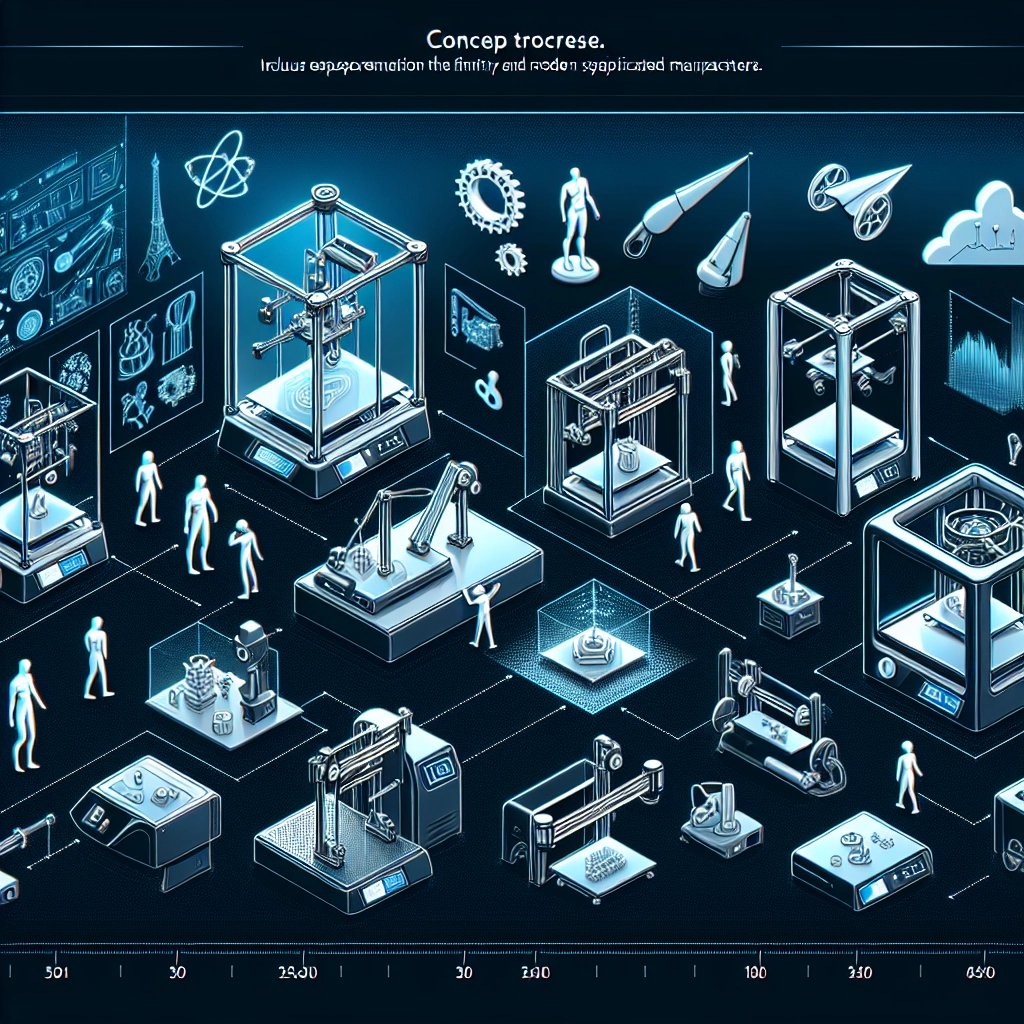

The Evolution of 3D Printing: A Look at Bambu Lab and Creality
3D printing has come a long way since its inception in the 1980s. What started as an innovative tech dream is now a vibrant reality that is transforming industries from healthcare to manufacturing. Among the leaders in the 3D printing revolution are two brands that have captured the spotlight in recent years: Bambu Lab and Creality. Each company brings its unique flavor to the 3D printing arena, showcasing not just technological prowess but a commitment to making this game-changing technology accessible to enthusiasts and professionals alike.
A Brief History of 3D Printing
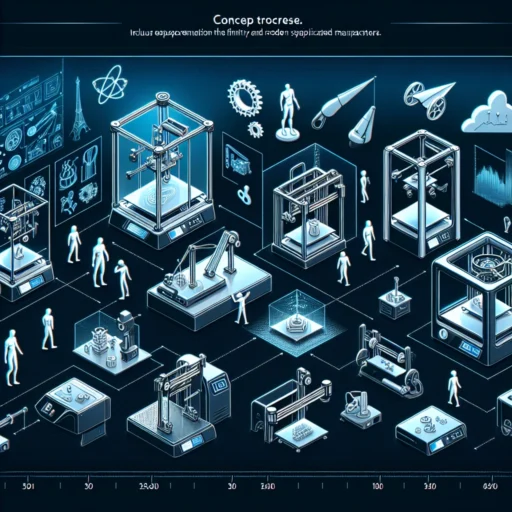
Before we dive into the specifics of Bambu Lab and Creality, let’s take a quick look at how this fascinating technology has evolved. The first 3D printer was introduced in 1988 by Chuck Hull, who created the process known as stereolithography. Fast-forward to the 2010s, and we witnessed an explosion of interest in 3D printing. Affordable desktop printers began to pop up, allowing hobbyists and small businesses to experiment with additive manufacturing.
Now, 3D printers are not only more affordable but are equipped with sophisticated features that can produce high-quality prints in record times. As new materials and technologies emerge, the doors of possibilities seem to open wider. Among the companies leading this charge are Bambu Lab and Creality, each carving out its own niche in this evolving landscape.
Bambu Lab: Pushing Boundaries
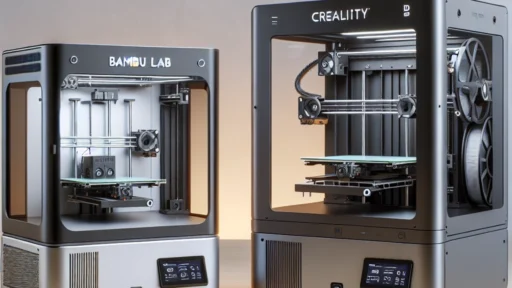
Founded in 2020, Bambu Lab has quickly made a name for itself with its innovative approach to 3D printing. They’re known for the Bambu One, a high-speed 3D printer that aims to balance ease of use with top-notch performance. One of their standout features is the inclusion of a multi-material printing capability that allows users to experiment with a range of filaments.
But what really sets Bambu Lab apart is their dedication to improving the user experience. Their printers come equipped with advanced technology that allows for real-time monitoring and adjustments, making spaghetti-like fails a thing of the past. Plus, their user-friendly software interface is designed to cater to both beginners and seasoned pros, creating a community of makers eager to push their limits.
Another hallmark of Bambu Lab’s ethos is its commitment to sustainability. Many of their products are designed with eco-friendly materials, and they encourage recycling unused filament. As the global conversation shifts toward sustainability, Bambu Lab’s forward-thinking approach resonates with users who care about the planet while indulging in their creative pursuits.
Creality: The Everyday Innovator
On the other side of the spectrum, we have Creality, a well-established brand in the 3D printing world since its inception in 2014. Known for its affordability, Creality’s printers, such as the Ender 3 series, have become a staple for enthusiasts and professionals looking for budget-friendly options without compromising quality. The Ender series sparked a community of tinkerers and makers, with countless mods and upgrades shared online.
Creality is also a company that loves to innovate. They have expanded their product lineup to include resin printers, large-format printers, and even an all-in-one 3D printing solution that incorporates filament recycling. Their printers often come with features like automatic bed leveling and simple touchscreen navigation, making them accessible to newbies and satisfying for hardcore users.
Moreover, Creality has an active online community where users share tips, tricks, and troubleshooting advice. This culture of engagement fosters a sense of community that is vital for anyone diving into the world of 3D printing. Whether you’re a novice or a seasoned pro, the shared knowledge makes the journey a lot less daunting.
Looking Ahead
As we embrace the future of 3D printing, keeping an eye on innovators like Bambu Lab and Creality is crucial. Both companies demonstrate that the field is not only about advancing technology but about understanding user needs, encouraging community involvement, and promoting sustainability.
With ongoing advancements in materials, speed, and functionality, it’s exciting to think about what the next few years will bring. Will 3D printing become a staple in every home? Will we see more eco-friendly practices woven into the fabric of manufacturing? The future is bright and full of potential.
As we watch these brands continue to evolve, one thing is for sure: the realm of 3D printing will become ever more integrated into our daily lives, changing how we create, manufacture, and even think about objects. Whether it’s a lamp, a toy, or a prototype—what once was just a dream is becoming an everyday reality, and it’s thrilling to witness.