

Understanding the Importance of Bed Adhesion in 3D Printing
If you’ve dipped your toes into the world of 3D printing, one of the first things you may have heard about is bed adhesion. It may not seem like the flashiest topic, but let me tell you, it’s one of those essentials that can make or break your printing experience. Whether you’re crafting a simple keychain or a complex mechanical part, understanding bed adhesion can save you time, frustration, and a lot of failed prints. Grab a coffee, and let’s dive into the nitty-gritty of bed adhesion!
What is Bed Adhesion?
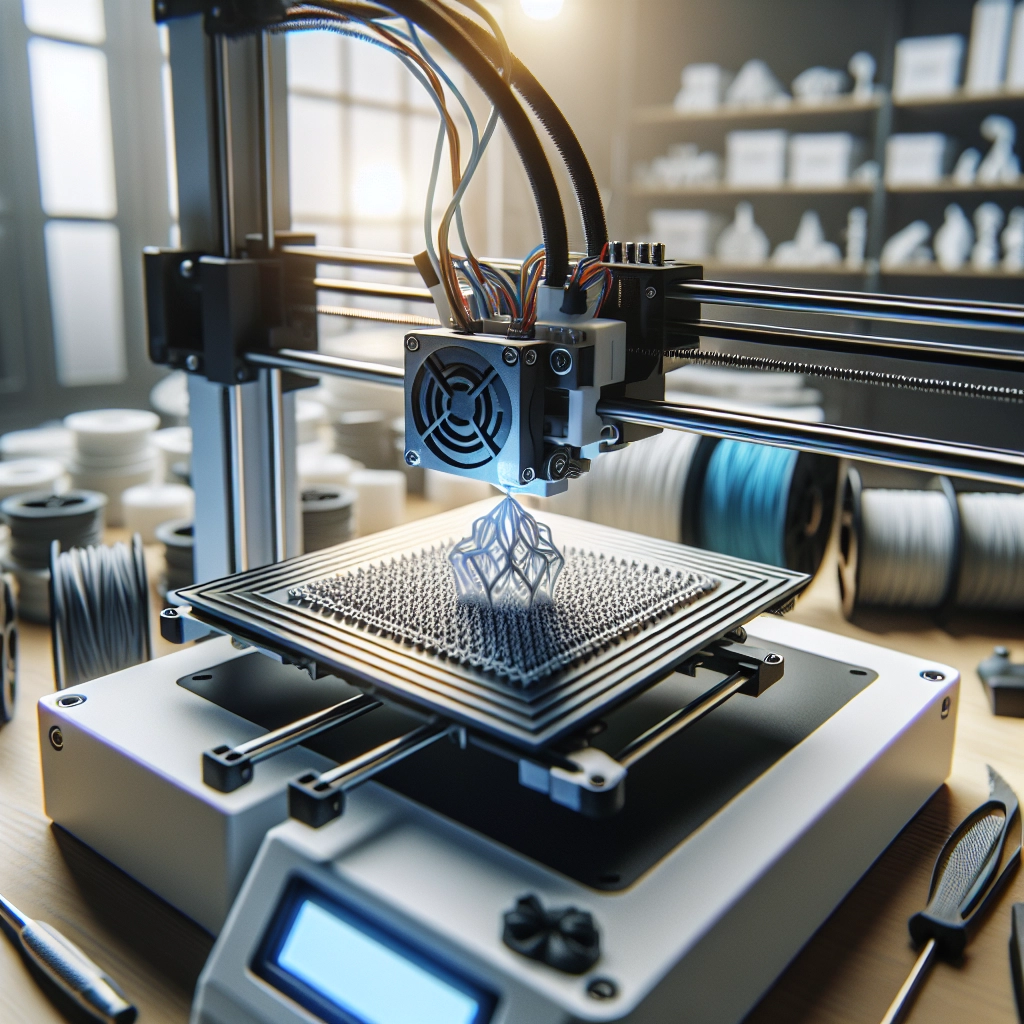
At its core, bed adhesion refers to how well the first layer of your print sticks to the print bed. If your object doesn’t adhere properly, it can warp, shift, or even detach entirely during printing. This not only results in wasted filament but can also lead to a mess that you’ll have to clean up afterward. So, having a solid understanding of why bed adhesion matters is vital for anyone looking to achieve quality prints.
Why is it Important?
1. Prevents Warping
One of the biggest enemies of successful 3D printing is warping, especially when working with certain materials like ABS or nylon. When the material cools too quickly after leaving the nozzle, it can contract and pull away from the bed, which leads to those unsightly bends and curls. Good bed adhesion helps keep that first layer in place, minimizing the likelihood of warping and ensuring a successful print.
2. Enhances Print Quality
A well-adhered first layer is crucial for achieving overall print quality. If it’s not sticking properly, you may notice defects on the following layers. An uneven first layer can lead to issues such as layer misalignment, poor surface finish, and even structural integrity problems. On the flip side, a stable first layer lays the foundation for a perfect print, giving you that smooth finish you’ve been dreaming of.
3. Reduces Failed Prints
There’s nothing more disheartening than checking on your 3D printer only to find a spaghetti mess where your model was supposed to be. Proper bed adhesion is essential for reducing the likelihood of failed prints. It keeps everything locked in place and allows the printing process to proceed without a hitch. If you’re printing something crucial or time-sensitive, knowing your print won’t unexpectedly fail can give you peace of mind.
How to Improve Bed Adhesion
So, now that we understand its importance, how can you improve bed adhesion? Luckily, there are several approaches, and you can mix and match depending on your setup!
1. Choose the Right Print Surface
The material of your print bed can greatly affect adhesion. Common options include glass, metal, and PEI surfaces. Each has its pros and cons, and some materials adhere better to certain surfaces than others. Experimenting with various surfaces can help you discover which combinations yield the best results for your specific filament.
2. Temperature Settings
Temperature plays a significant role in adhesion. Ensure your print bed is preheated to the appropriate temperature for the material you’re using. For plastics like PLA, a heated bed can be set to around 50°C to 60°C, while ABS may require something higher. The right temperature keeps the first layer warm enough to stick while helping to prevent warping.
3. Utilize Adhesives
Sometimes, a little extra help goes a long way. Sprays, glues, or tapes can be excellent allies for improving adhesion. Products specifically designed for 3D printing like glue sticks or blue painter’s tape can create that perfect first layer grip. Just be careful not to overdo it; too much adhesive can lead to issues when removing your print later!
4. Optimize Your First Layer Settings
Tuning your printer settings for the first layer can make a notable difference. Slowing down the print speed for the first layer, increasing the extrusion width, or lowering the layer height can create a better bond with the bed. Sometimes, a few tweaks are all it takes to achieve that golden adhesion.
Wrapping It Up
In the vibrant world of 3D printing, bed adhesion might not seem like the most glamorous topic, but it’s a cornerstone of success. It influences everything from print quality to the prevention of frustrating failures. So, whether you’re printing a series of prototypes or jumping into the maker community, giving bed adhesion the attention it deserves will put you on the path to success. With a mix of the right materials, settings, and techniques, you’ll be well on your way to producing flawless prints that inspire those around you. Happy printing!