
Future-Proofing Your 3D Printing Set-Up: What You Need to Know
3D printing has become more than just a technological novelty; it’s evolving into an essential tool for various industries, from healthcare to aerospace. Whether you’re a hobbyist, entrepreneur, or an established company, future-proofing your 3D printing setup can make a significant difference in how well you adapt to changes in technology and market demands. So, how do you ensure your 3D printing adventure remains relevant and efficient? Let’s dive into some key considerations!
Choosing the Right Printer
Investing in a reliable 3D printer is the first step in your future-proofing journey. While it can be tempting to grab the latest model on the market, remember that technology is always evolving. Look for printers that offer modular components or upgradability features. Brands that allow for easy swapping of parts or offer upgrades on firmware can save you money in the long run. A printer with a strong community for support and easy-to-find replacement parts is another plus.
Remember, when purchasing, consider the types of materials you want to work with. Are you planning to stick with basic plastics, or do you foresee working with advanced materials like carbon fiber or flexible filaments? Choose a printer that can handle a broad spectrum of filaments, not just what’s popular today.
Materials Matter
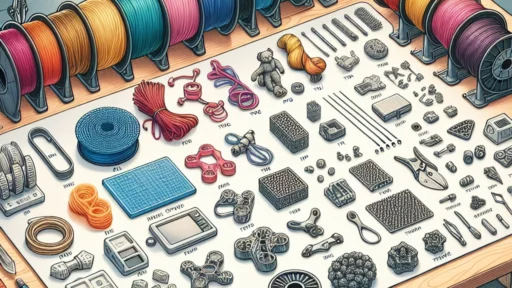
Speaking of materials, future-proofing also involves selecting the right filament. The options are continually expanding, from heat-resistant thermoplastics to bio-based filaments. Keeping an eye on emerging materials that promise better durability, flexibility, or sustainability can give you an edge. Eco-friendly options are taking the spotlight, as many consumers and companies prioritize sustainable practices. Investing in a printer that is compatible with biodegradable filaments or recycled materials can also reflect positively on your brand’s image.
Software Savvy
Just as important as your hardware is the software that runs your 3D printer. With advancements in 3D printing technology, the associated software is evolving rapidly, offering improved user interface and design capabilities. Opt for software that integrates seamlessly with various printers and file formats. Advanced slicers that give you the option for adaptive slicing or optimized support structures can save you print time and material.
Keep an eye on industry trends as well. Emerging software capabilities, like AI-assisted design and integrated cloud solutions, could significantly enhance efficiency. The ability to access updates or improvements easily will ensure your setup remains cutting-edge.
Workflow Integration
As the adoption of 3D printing grows, so does the need to integrate these processes with existing workflows. Consider how your 3D printer can fit into your production line or business operations. Whether it’s developing your in-house manufacturing capabilities or enhancing prototyping processes, finding a way to synergize your printing processes can help you stay nimble and competitive.
Investing in a reliable slicing software and ensuring compatibility between your 3D printer and design programs are key steps. This integration can lead to shorter lead times and reduced costs, allowing you to adapt to changing requests more rapidly.
Training and Skill Development
With technology constantly changing, it’s a good idea to prioritize training. Ensure that anyone using the printer is well-versed in its operation, maintenance, and troubleshooting. Create a culture of continuous learning within your team; attend workshops, webinars, or online courses about 3D printing advancements. Not only will this empower your team, but it also keeps you ahead of the curve, ready to take advantage of any new developments that come your way.
Explore Industry Innovations
Stay informed about trends in the 3D printing industry. Follow relevant publications, online communities, and forums where enthusiasts and professionals discuss innovations. Being proactive about industry shifts will give you insights into what’s coming and help you pivot your strategy accordingly.
Technology such as additive manufacturing and automation is growing dramatically, and understanding these trends can help you decide when to invest in new technologies.
Final Thoughts
Whether you’re upgrading your current setup or starting from scratch, keeping a close eye on trends, technology, and community insights is vital for future-proofing your 3D printing operation. By choosing the right hardware, materials, software, and training methods, you’ll establish a foundation that can adapt to whatever the future holds. The world of 3D printing is only going to get more exciting, and with a well-prepped setup, you’ll be ready to seize the opportunities that lie ahead!