
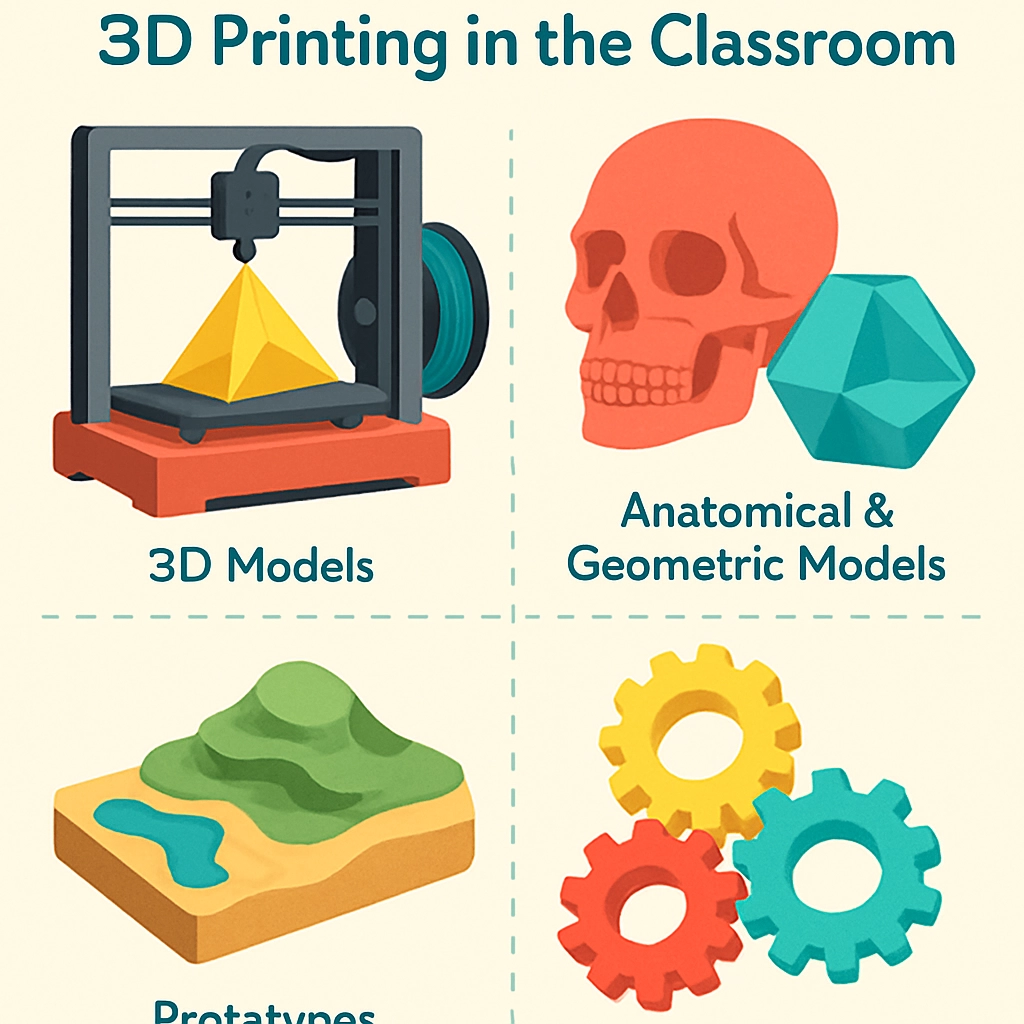

Unlocking Creativity: The Educational Uses of 3D Printing in the Classroom
In a world that’s continuously evolving with technology, one innovation stands out for its sheer potential to transform education: 3D printing. This remarkable tool allows students to turn their ideas into tangible objects, and it’s shaking up the traditional classroom in exciting ways. From enhancing creativity to improving understanding in complex subjects, let’s explore how 3D printing is making its mark on education.
Bringing Learning to Life
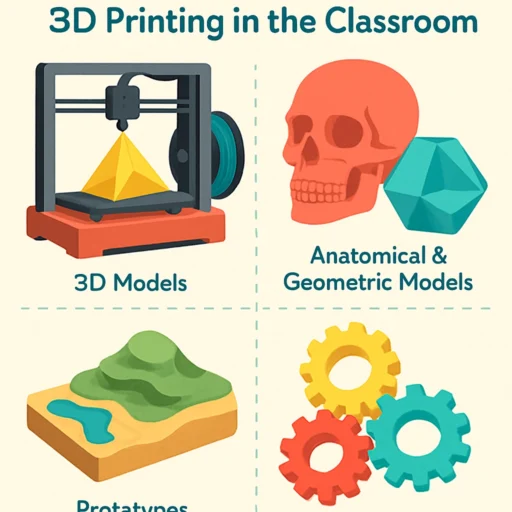
Remember the last time you sat through a lecture or a textbook-heavy class? While theory is important, it can sometimes feel distant or abstract. That’s where 3D printing steps in as a game changer. Imagine holding a model of the solar system in your hands while learning about planetary orbits or examining a 3D printed human heart while studying biology. This hands-on learning allows for a deeper understanding of complex concepts, making them more relatable and easier to grasp.
Students can engage in project-based learning by designing and creating prototypes that illustrate their understanding of various subjects. Assignments can evolve from mere essays to crafting engaging 3D models, making learning both fun and effective.
Enhancing Creativity and Innovation
3D printing encourages creativity like no other tool. When students have the ability to design their own objects, the only limit is their imagination. This freedom allows them to think outside the box and experiment with ideas. Whether it’s designing a miniature city to study urban planning or creating a custom tool to solve a specific problem, the potential for innovation is vast.
Additionally, students can collaborate on projects, fostering teamwork and communication. As they brainstorm ideas, sketch designs, and navigate the printing process together, they are learning critical soft skills that are just as important as the academic knowledge they gain.
Cross-Disciplinary Learning
One of the most remarkable aspects of 3D printing is its versatility across various subjects. From STEM (Science, Technology, Engineering, and Mathematics) to the arts, 3D printing integrates seamlessly into different curricula.
In science classes, students can create models of molecules or simulate ecological systems. In mathematics, they can visualize geometric shapes and concepts, making challenging theories more approachable. In art and design, they can sculpt and produce intricate pieces that bring their creative visions to life.
This cross-disciplinary approach not only broadens students’ skill sets but also emphasizes the interconnectedness of various fields of study. It prepares students for a world that increasingly values adaptability and interdisciplinary knowledge.
Sparking Interest in Technology Careers
As we look toward the future, technology skills are becoming essential in many career paths. Introducing 3D printing in the classroom not only equips students with technical skills but also ignites an interest in fields like engineering, design, and manufacturing.
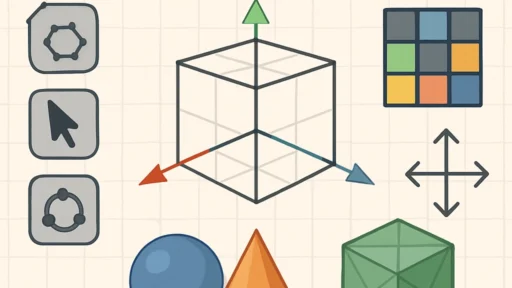
By exploring 3D modeling software and the printing process, students gain valuable experience with modern tools used in various industries. Workshops and projects can inspire students to pursue careers they might not have otherwise considered, helping to bridge the skills gap in the workforce.
Building Problem-Solving Skills
At its core, 3D printing is about solving problems. Students are often faced with challenges during the design and printing processes, from technical hiccups to figuring out how to optimize their designs for printing. These challenges nurture critical thinking and are invaluable lessons in resilience.
Students learn to iterate and improve their designs based on trial and error—and that’s a critical lesson in any field. In today’s ever-changing world, the ability to adapt, troubleshoot, and strive for improvement is crucial, and 3D printing provides a hands-on platform for these skills to flourish.
Conclusion: The Future of Education is Here
The integration of 3D printing into the classroom represents a significant leap forward in educational practices. By fostering creativity, enhancing understanding, and encouraging collaboration, this technology is helping to shape the next generation of thinkers, innovators, and problem-solvers. As schools continue to embrace this amazing technology, we are not just teaching students how to create; we are empowering them to envision, design, and build the future they want to see. Imagine what they can do when given the tools and freedom to explore their potential—let’s encourage that journey!