

How to Choose the Right 3D Printer Filament for Your Needs
When diving into the exciting world of 3D printing, choosing the right filament can feel daunting. With so many materials available, it’s easy to get lost in the specifics. Don’t worry! The good news is that with a little knowledge about the different types of filament available and their best uses, you can make an informed choice that’ll have your printer humming with joy. Let’s break it down together!
Understanding the Basics
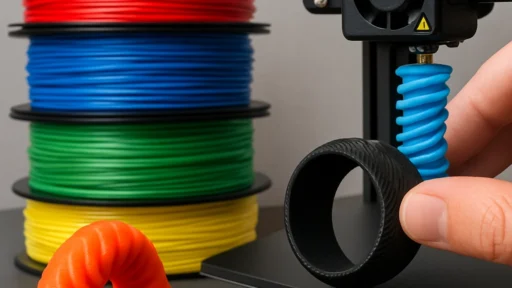
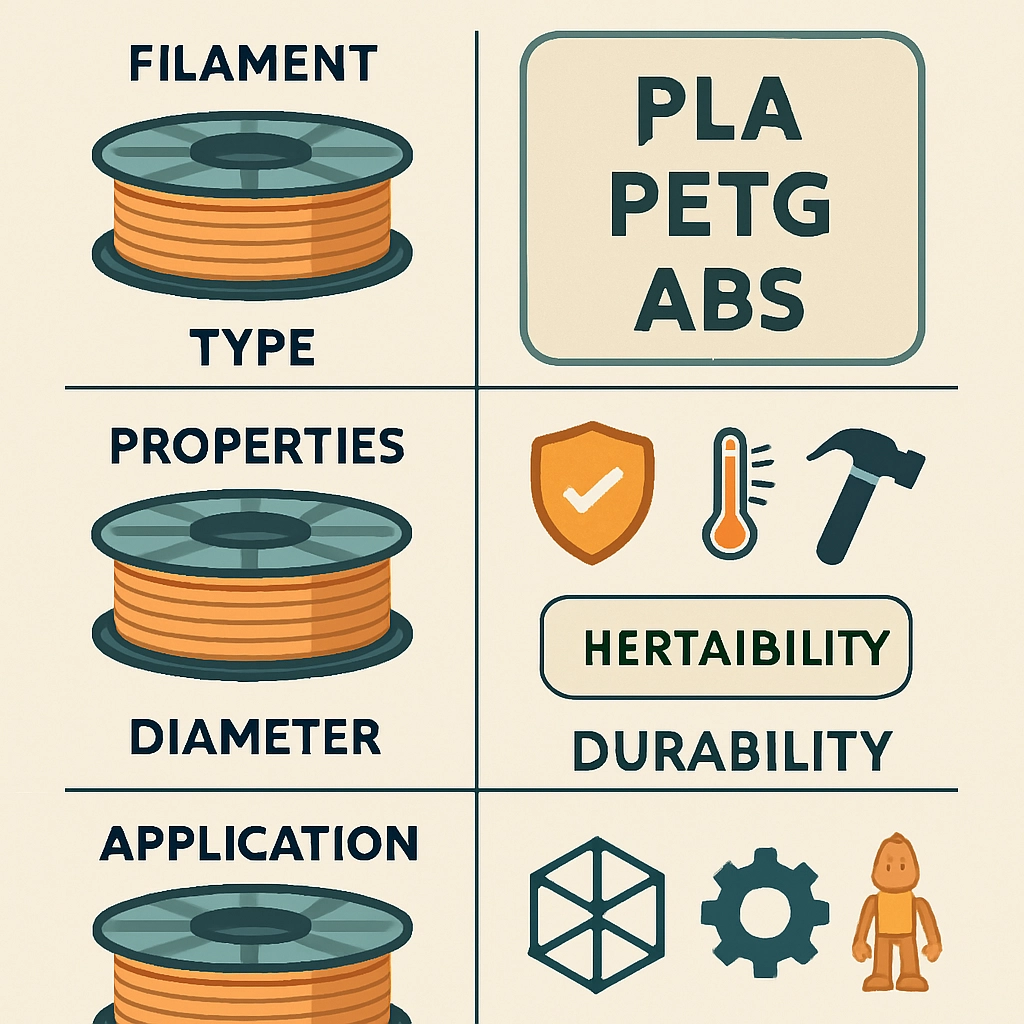
To start, let’s talk about what filament is. In 3D printing, filament is the material used to create your printed objects. It comes in spools, typically made from plastic, and is heated and extruded through the 3D printer’s nozzle. The common types of filament come in various diameters, usually 1.75 mm or 2.85 mm, and can make a significant difference in the final outcome of your prints.
The Popular Players
PLA (Polylactic Acid)
PLA is the go-to filament for beginners and hobbyists. Made from renewable resources like cornstarch, it’s biodegradable and has a low melting point, making it ideal for those just getting started. Plus, it’s available in a kaleidoscope of colors and finishes, which means you can create vibrant prints without too much hassle.
ABS (Acrylonitrile Butadiene Styrene)
ABS is a tough, durable plastic often used for functional parts or items requiring some strength. Think of Lego bricks; they’re made from ABS! While it’s a bit trickier to print with—due to its tendency to warp and emit fumes during printing—its high-temperature resistance makes it great for items that need to endure heat. Consider using an enclosed printer if you’re opting for ABS; it helps maintain a stable temperature and minimize warping.
PETG (Polyethylene Terephthalate Glycol)
If you’re looking for something that brings together the best of both PLA and ABS, meet PETG! This filament offers the ease of printing that PLA provides, along with the durability of ABS. It’s less prone to warping and offers good layer adhesion, making it an excellent choice for both aesthetic prints and functional parts. Plus, it’s food-safe when printed correctly, making it suitable for kitchen gadgets and containers.
TPU (Thermoplastic Polyurethane)
For those looking to print flexible materials, TPU is your best friend. This filament is super stretchy and can create items such as phone cases or items that need to bend without breaking. However, it does require certain adjustments in your printer settings to get the best results, so keep that in mind. If you’re eager to experiment with flexibility, this is a fantastic option!
Nylon
Nylon is another versatile filament, known for its incredible strength and flexibility. It is commonly used for producing durable functional parts, such as gears and mechanical components. However, nylon can be a bit challenging to print, requiring precise temperature settings and a proper build surface to prevent warping and adhesion issues. If you can tackle those challenges, nylon will reward you with some seriously tough prints.
Things to Consider
Every filament comes with its unique set of properties. Here are a few things to think about when making your decision:
-
Project Requirements: What are you actually printing? If it’s a decorative piece, PLA might do the trick nicely, but for something that needs to withstand heat, ABS or PETG might be better.
-
Printer Compatibility: Not all printers can handle every type of filament. Review what your printer can do and what temperature ranges it can achieve before settling on a material.
-
Ease of Printing: As a beginner, you might want to stick with filaments that are easier to print with, like PLA or PETG. These materials are more forgiving and will help you refine your skills without the frustration.
-
Aesthetics: Some filaments come in fantastic colors and finishes, so think about what look you want to achieve. If you’re aiming for a shiny, polished finish, check which filaments can achieve that.
-
Cost: Cost can also be a factor in your decision; some filaments are pricier than others. Keep a budget in mind while considering what you need.
Final Thoughts
Choosing the right filament for your 3D printing needs doesn’t have to be a hair-pulling affair. By understanding the characteristics of different materials and considering what you want to achieve with your projects, you’ll find the perfect filament for your printer. Whether it’s the ease of PLA, the strength of ABS, or the flexibility of TPU, each filament opens up a world of creative possibilities. So, roll up your sleeves and get printing! The world of 3D design awaits.