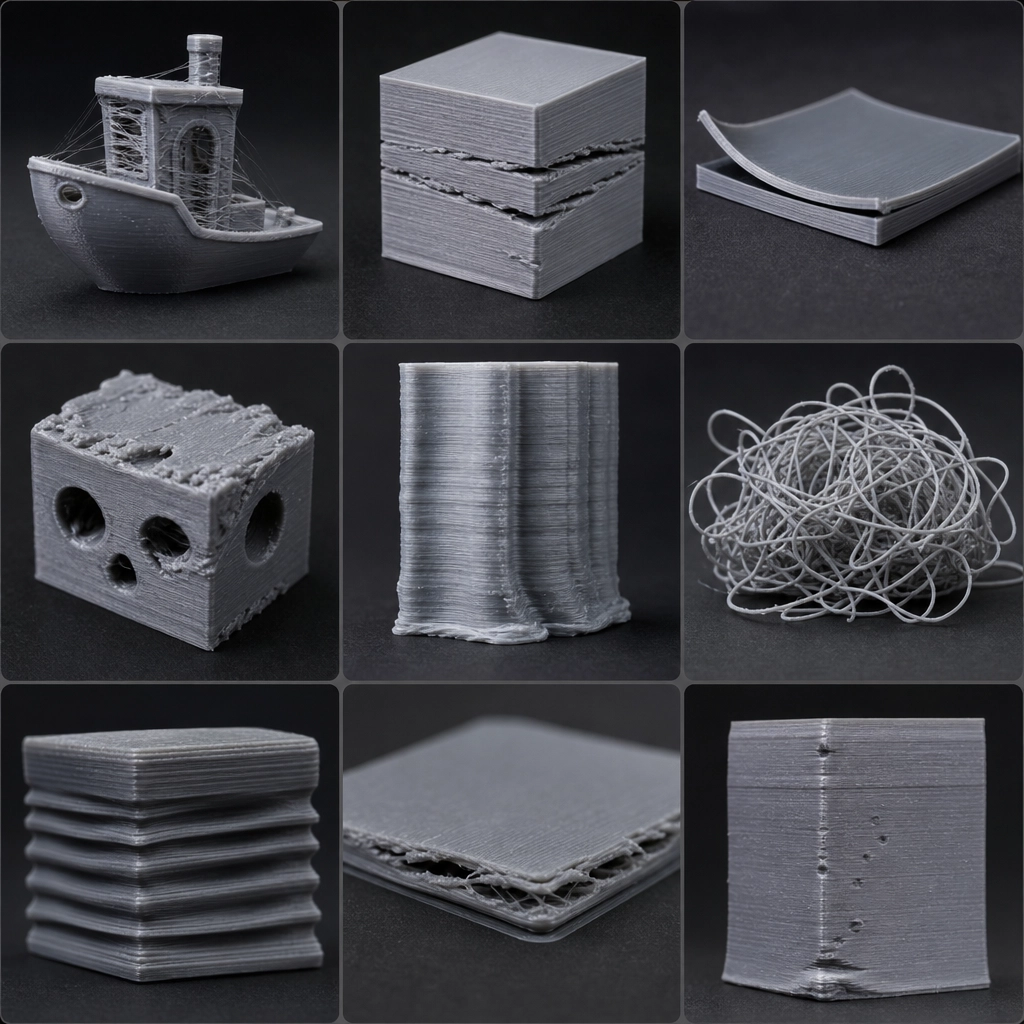

3D Printing Mistakes to Avoid: Common Pitfalls
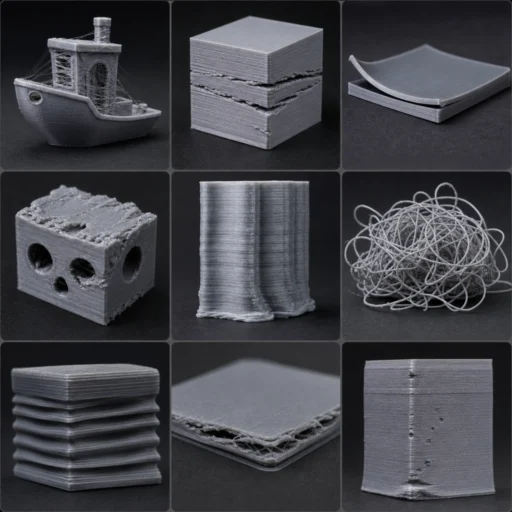
3D printing has taken the world by storm, unlocking unprecedented creativity and innovation. Whether you’re crafting intricate designs or prototyping the next big invention, it’s a thrilling journey filled with possibilities. However, like any exciting venture, it comes with its fair share of hurdles. If you’re new to the 3D printing game—or even if you’ve been at it for a while—steering clear of common pitfalls can save you a lot of frustration (and filament). Here are some mistakes to watch out for.
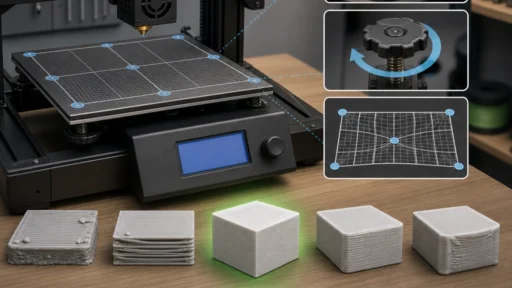
Skipping Calibration
One of the biggest missteps you can make is skipping the bed leveling and printer calibration process. A poorly calibrated printer can lead to prints that won’t stick to the bed, inconsistent extrusion, or even catastrophic failures halfway through your print. Always take the time to properly level your bed and calibrate the settings before diving into your project. Many users think, “Oh, it worked fine last time—what could go wrong?” Trust me; neglecting this step can lead to wasted time and material!
Ignoring Material Types
Choosing the right filament for your project might seem simple, but it’s easy to overlook specific characteristics of various materials. PLA, ABS, PETG, and TPU each have their unique qualities and printing requirements. For example, PLA is known for its ease of use and relatively low melting point, while ABS requires a heated bed and can warp if not printed carefully. Ignoring the recommendations for your chosen filament can turn your ambitious project into a tangled mess. Always do a bit of homework or even run a test print before committing to your design.
Overlooking Print Settings
It’s tempting to hit that “print” button with default settings, especially if you’re excited to see your creation come to life. However, each print job often requires its own set of tailored settings, including print speed, layer height, and temperature. For instance, fast speeds may get the job done quicker but can result in low-quality prints with less detail. Spend a little time adjusting settings suited for your specific project to make sure you get the best results possible.
Forgetting Adhesion Methods
Nothing is more disheartening than watching your print lift off the bed mid-process. Adequate adhesion is crucial to prevent prints from warping or dislodging. Different surfaces and materials work in various ways, so try using glue sticks, painter’s tape, or specialized adhesion sheets to help your prints stick. If you’re working with materials prone to warping, a heated bed can make a world of difference. Don’t underestimate the power of adhesion—you’ll thank yourself later!
Neglecting Post-Processing
So, you’ve removed your print from the bed, and it looks good—but it’s not quite finished! Post-processing is an essential step often overlooked by beginners. This can include removing supports, sanding rough edges, or even painting for a polished finish. Spending some additional time on these details can elevate your creation from merely decent to downright impressive. There are endless possibilities when it comes to post-processing, so don’t skip it if you want that professional-grade look.
Setting Unrealistic Expectations
3D printing is an incredible technology, but it’s not magic. Setting your expectations too high—like thinking you can replicate an intricate design on your first try—can set you up for disappointment. Understand that it takes practice to hone your skills, and things may not turn out perfectly every time. Embrace the learning process, and remember that every mistake is a step toward improvement.
Ignoring Safety Protocols
Although it might not be something that comes to mind when discussing 3D printing, safety should always be a priority. Whether working with high temperatures or toxic fumes from certain filaments, always make sure you’re in a well-ventilated space and wearing the appropriate safety gear. Being mindful of safety protocols will not only protect you but also enhance your overall printing experience.
3D printing can feel like a landscape of endless possibilities, yet navigating this landscape without bumping into a few obstacles is a rite of passage. By being vigilant about calibration, material choices, print settings, and post-processing, you can vastly improve the quality of your prints and enjoy the process more. Mistakes will happen, and that’s perfectly okay—it’s all part of the learning curve. Embrace each error as a learning opportunity, and before you know it, you’ll be printing like a pro!