

Exploring the Potential of 3D Printed Electronics
In the world of technology, 3D printing has long been heralded as a game-changer. From manufacturing to medical applications, it’s revolutionized the way we produce everything from toys to prosthetics. But there’s an exciting frontier emerging within this space: 3D printed electronics. Imagine the thrill of creating your own gadgets, circuit boards, or even complete devices right from your home. That’s where the future of electronics is heading!
What are 3D Printed Electronics?
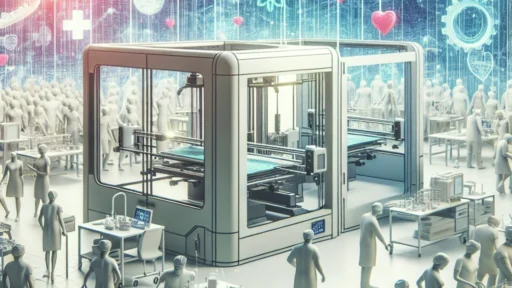
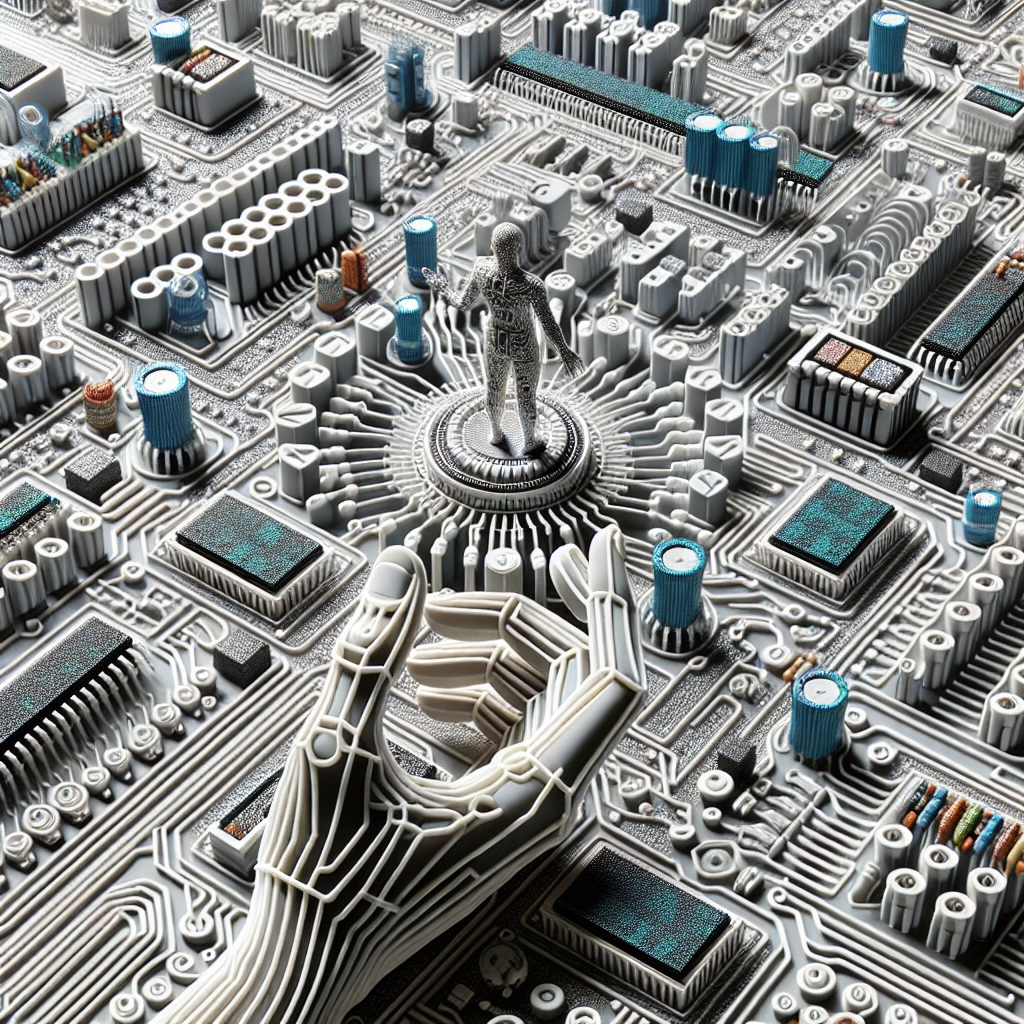
At its core, 3D printed electronics involves integrating electronic components into 3D printing processes. This allows for the fabrication of fully functional devices—like sensors, circuit boards, or even smartphone components—using a variety of materials, including conductive inks, plastics, and composites. It’s a technology that marries mechanical engineering with electronic design, paving the way for innovations that were once confined to research labs.
Why Does It Matter?
So, why should we care about 3D printed electronics? Well, the potential applications are as diverse as they are exciting. For starters, they offer a faster, more flexible way to prototype and produce devices. Say goodbye to lengthy production times and large economic liabilities! With 3D printing, engineers and designers can create customized products in a fraction of the time it typically takes.
Furthermore, 3D printing can significantly reduce waste. Traditional manufacturing methods often involve cutting and shaping materials that lead to excess scraps. 3D printing, on the other hand, builds items layer by layer, using only the material needed to create the final product. It’s not just cost-effective; it’s environmentally friendly, too.
Applications in Various Industries
Medical
One of the most promising areas for 3D printed electronics is in healthcare. Imagine custom medical devices that are not only designed for a specific patient but also embedded with sensors to monitor health metrics in real-time. Whether it’s a wearable device that tracks heart rate or a smart bandage that can assess healing, the possibilities are vast. Researchers are already exploring how to combine 3D printed biosensors with traditional medical devices, offering a level of customization and functionality previously unimaginable.
Consumer Electronics
The consumer electronics industry is also jumping on the bandwagon. From smart home devices to wearable tech, 3D printing opens doors to creating bespoke products. Think about a custom-fit pair of earbuds that not only fits perfectly in your ears but also has built-in electronics, all produced in a single printing process. In the future, it might be common to see DIY kits for building your own electronic devices, considerably lowering barriers to entry for tech enthusiasts.
Automotive and Aerospace
In the automotive and aerospace sectors, reducing weight is often as crucial as improving fuel efficiency. 3D printed electronics can help here too. By printing circuit boards that fit seamlessly into the structure of a vehicle or aircraft, manufacturers can save significant weight without sacrificing functionality. This integrated approach allows for innovative designs and improved performance.
Challenges Ahead
Despite all the excitement, 3D printed electronics are not without their challenges. A significant hurdle is the quality assurance and certification processes for electronic components, which can be particularly stringent in industries like aerospace or medical. Additionally, there are concerns about the durability and reliability of printed electronics compared to traditional methods.
Moreover, achieving the necessary resolution and precision in printing electronic circuits can be technically demanding. For now, traditional manufacturing methods remain the gold standard for many applications. However, advancements are continuously being made, and the landscape is shifting rapidly.
The Future is Bright
With developments in materials science and 3D printing technologies, the future of 3D printed electronics is remarkably bright. The potential for customizability, reduced lead times, and sustainable manufacturing practices creates an inviting horizon for innovators and enthusiasts alike.
As we move forward, the possibilities seem limitless. Imagine a world where anyone can create their own devices at home; where repairs are as simple as downloading a new design and printing a replacement part; or where tailored health solutions are available at a moment’s notice. While we’re still a little way from that reality, the journey is certainly thrilling, and it’s one worth following.
In this evolving landscape, we all have a front-row seat to the exciting developments that 3D printed electronics promises. As the technology advances, who knows what groundbreaking innovations we’ll see next? Whether you’re an engineer, a hobbyist, or simply someone curious about the feats of modern technology, 3D printed electronics might just be the key to the future of how we interact with technology in our daily lives.