
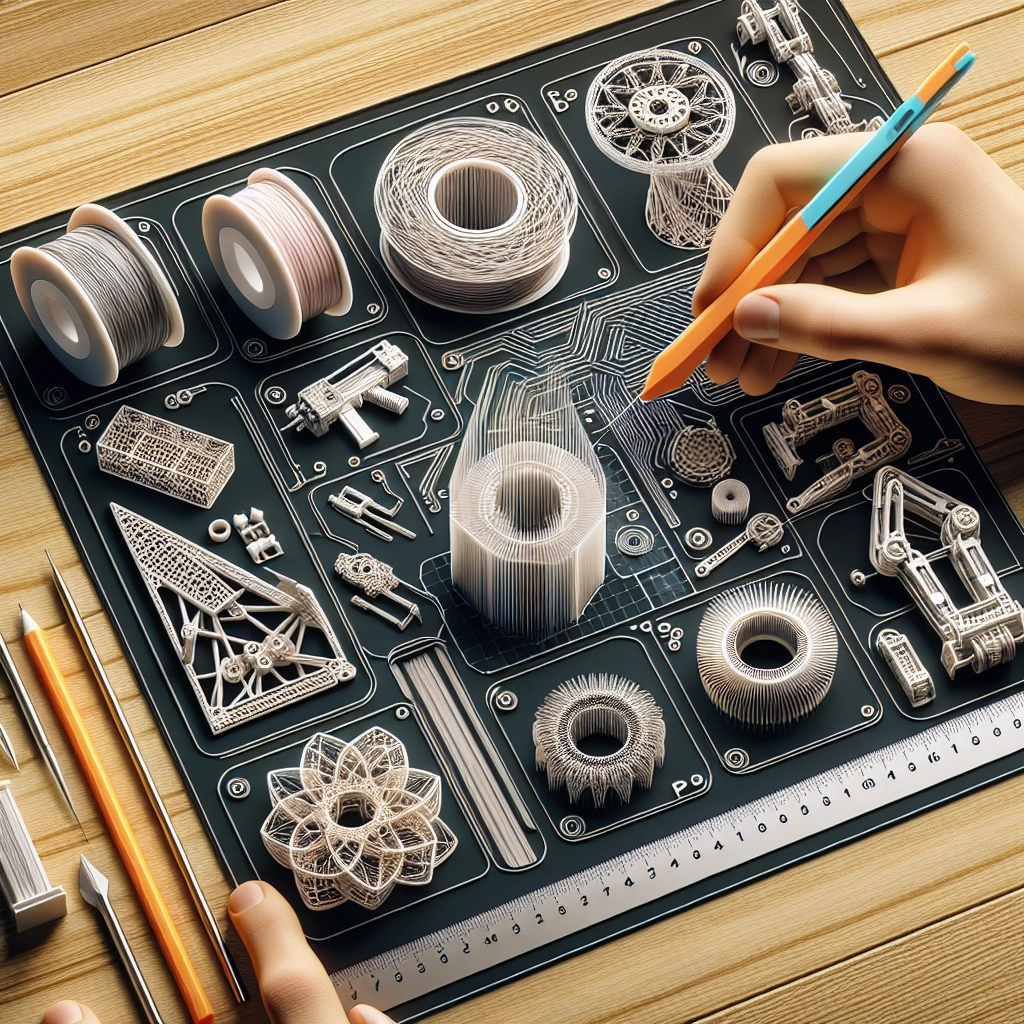

Customizing Your 3D Prints: Tips on Advanced Filament Usage
3D printing has come a long way since its humble beginnings. What began as a niche hobby for tech enthusiasts has transformed into a world of creativity where artists, engineers, and everyday DIYers can breathe life into their ideas. One of the most fascinating aspects of 3D printing is the multitude of filament options available, allowing you to customize your prints in ways you might not have imagined. Ready to take your 3D printing to the next level? Let’s dive into some advanced filament tips that’ll elevate your creations!
Understand Filament Types
Before you can customize your projects, it’s crucial to understand the differences between the various filament types available. While you may already be familiar with common filaments like PLA and ABS, there’s a plethora of others worth exploring.
- PETG: Known for its strength and durability, PETG is a great option if you’re looking for something that balances flexibility and toughness.
- TPU: This flexible filament is perfect for projects requiring elasticity, like phone cases or custom grips.
- Nylon: Extremely strong and resistant to wear and tear, nylon is excellent for functional parts but can be challenging to print with due to its tendency to warp.
- Specialty Filaments: Ever heard of glow-in-the-dark or wood-infused filament? These specialty materials can add a unique flair to your prints, transforming everyday objects into conversation starters.
Understanding your filament options not only helps you choose the right material for your project but also opens up new avenues for creativity.
Experiment with Temperature Settings
Once you’ve chosen your filament, it’s time to consider printing temperatures. Each filament comes with specific temperature requirements to achieve the best results. For example, PETG typically prints at a higher temperature than PLA. Running a few test prints can help you find the sweet spot where your filament flows smoothly without compromising quality.
Additionally, don’t overlook your bed temperature. Materials like ABS require a heated bed to minimize warping and ensure better adhesion. Experimenting with these temperature settings allows you to fine-tune your prints for optimal results and opens the door to diverse filament use.
Try Blending Filaments
Why limit yourself to using just one type of filament when you can combine several to achieve a unique look and feel? Blending filaments can allow you to experience the best of both worlds. For example, printing a model using a combination of PLA and TPU can give you the structural integrity of PLA with the flexibility of TPU where needed, making your prints not only functional but also visually interesting.
If you’re feeling particularly adventurous, consider creating filament composite materials. Some 3D printer enthusiasts have experimented with mixing filaments in their own extruders, leading to custom blends that yield exciting results. Just keep in mind that you may need to recalibrate your printer for best results.
Post-Processing Techniques
Customizing your 3D prints doesn’t stop once they are printed. Post-processing techniques can take your prints to an entirely new level. Sanding, painting, or even applying a clear coat can enhance the texture and finish of your prints. For example, printed models in PLA can be sanded and then painted for a smoother appearance and more vibrant color.
Thinking of adding some flair? Consider the use of acetone vapor for ABS prints, which can smooth out layer lines for a more professional look. On the other hand, resin printing offers possibilities for crystal-clear finishes and fine details, bringing a polished touch to your work.
Explore the World of Color
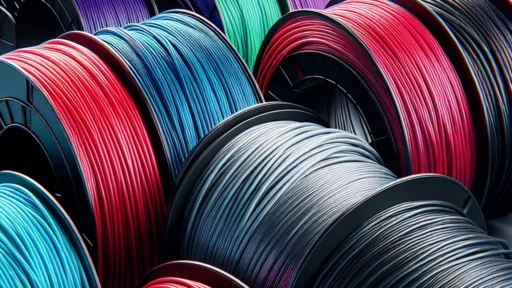
Nothing makes a 3D print pop quite like a unique color scheme! Many filaments come in a rainbow of colors, but you can also transform the aesthetic of your projects by using color-changing filaments. These special materials change color based on temperature, and can create a dynamic visual effect. You can even print in multiple colors using different methods like color swapping during the print or utilizing dual extrusion setups for more intricate designs.
Embrace the Community
With such a rich variety of options available, why go it alone? One of the best resources for 3D print customization is the community of makers, hobbyists, and professionals online. Websites like Thingiverse and Reddit’s 3D printing forums are goldmines of ideas, troubleshooting tips, and inspiration. Don’t hesitate to share your work, ask questions, and learn from others. More than just a hobby, 3D printing fosters a sense of community that keeps evolving and thriving.
As you explore advanced filament usage, let your imagination run wild. Customizing your 3D prints opens up a world where your creativity has no limits. Whether you’re layering materials, experimenting with color, or adding intricate details through post-processing, each step brings you closer to a unique piece that reflects your vision. So go ahead, unleash your creativity, and let your 3D prints tell your story. Happy printing!