
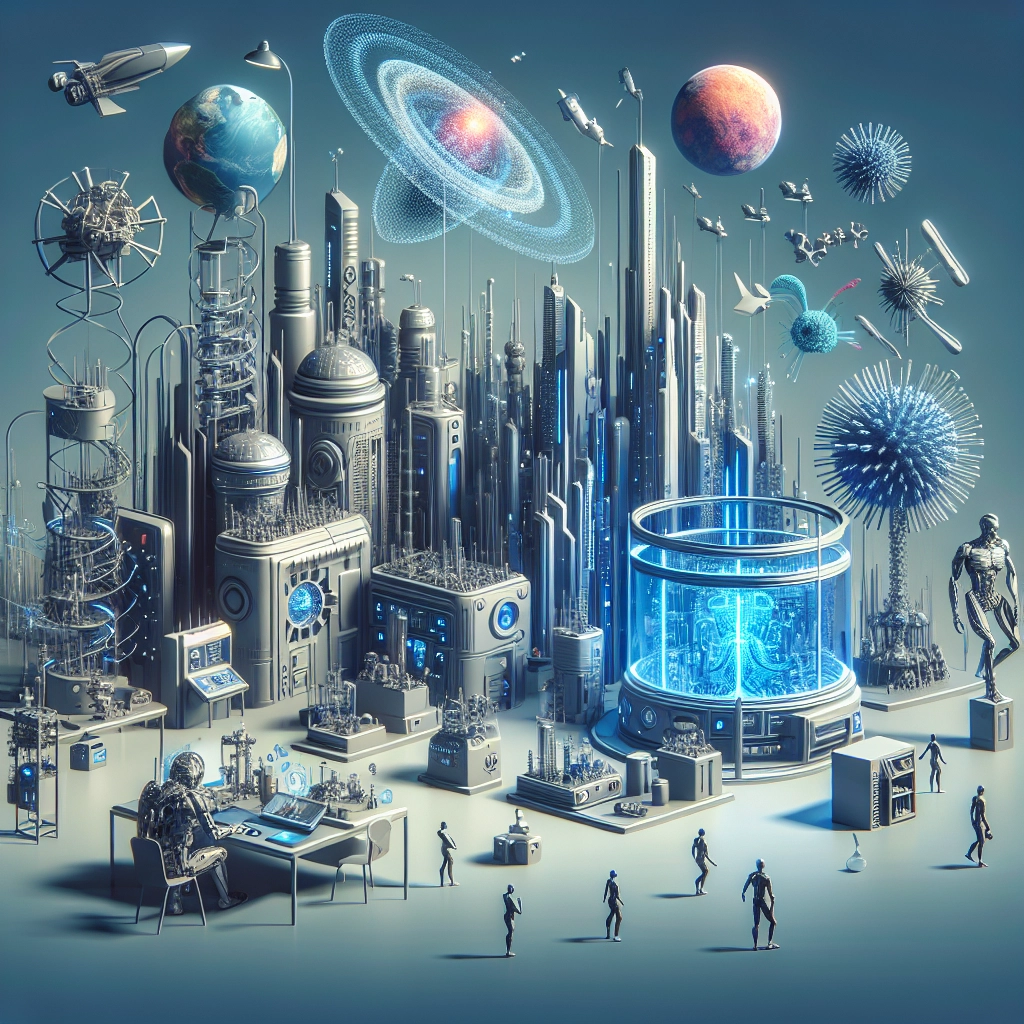

The Future of 3D Printing Technology: What to Expect Next
3D printing has come a long way since it first made waves in the manufacturing industry. It’s no longer just a buzzword thrown around in tech circles; it’s a powerful tool that’s revolutionizing everything from medicine to fashion. But as with any groundbreaking technology, the advancements in 3D printing are constantly evolving, leaving many of us curious about what the future holds. So, grab a comfy chair, and let’s take a look at the exciting developments we can expect in the world of 3D printing!
Customization Like Never Before
One of the most remarkable trends in 3D printing is its ability to produce highly customized products. Imagine a world where you can walk into a store and have a pair of shoes perfectly molded to fit your feet, or a prosthetic limb tailored specifically for your needs. In the future, we can expect an even greater emphasis on personalization. Companies will leverage data and AI to create 3D printed items that meet individual specifications, whether it’s a kitchen gadget designed to fit perfectly in your tiny kitchen or a beautifully intricate piece of jewelry made based on your unique style.
Sustainable Solutions
As environmental concerns continue to dominate discussions around technology, 3D printing holds great promise in promoting sustainability. One of the most exciting developments is the ability to recycle materials into usable filaments. This means that plastics and other materials that would typically end up in a landfill can be transformed into high-quality products. Moreover, localized production reduces the need for shipping, thus significantly cutting down on carbon footprints. In the future, we might see 3D printers that run on renewable energy sources, creating a more sustainable manufacturing ecosystem.
Healthcare Innovations
Perhaps one of the most impactful applications of 3D printing is in healthcare. As technology continues to advance, we can expect groundbreaking applications, such as bioprinting, where artificial organs and tissue can be created using a patient’s cells. This could change the face of transplants, making them safer and more readily available. Additionally, personalized medical devices, such as braces and dental implants, will become more common. The future might very well hold a time when your doctor can print out an exact replica of your organ to plan for surgeries, leading to better outcomes and less invasive procedures.
Expanded Materials and Capabilities
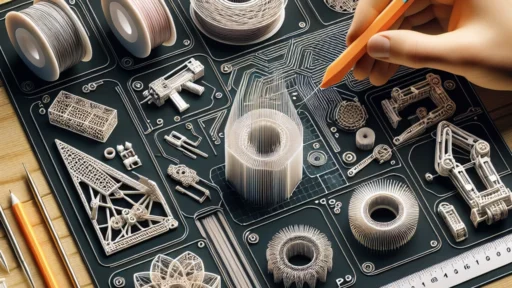
The types of materials available for 3D printing are expanding rapidly. Beyond the typical plastics and metals, we’re beginning to see advanced materials like ceramics, biomaterials, and even food! As research progresses, we will likely witness the development of materials with unique properties, such as self-healing plastics or ultra-lightweight structural components. This diversification in materials will open new doors for industries, allowing for innovative solutions that we can’t even imagine today.
The Rise of Desktop 3D Printers
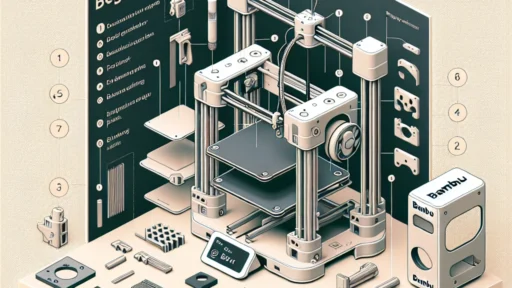
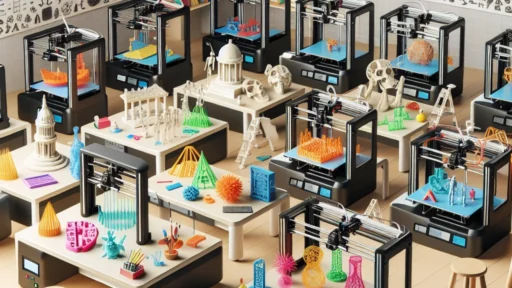
While large-scale industrial 3D printers have captured headlines, the future will likely see a rise in the popularity of desktop 3D printers, making this technology more accessible than ever. With prices continuing to drop and ease of use on the rise, anyone from hobbyists to home-based entrepreneurs will have the chance to unleash their creativity. This democratization of technology could give way to a surge in DIY culture, leading to everything from unique home decor to functional household items, all created from the comfort of your own space.
Integration with Other Technologies
We’re also likely to see 3D printing integrated with other emerging technologies. Combining it with artificial intelligence, for instance, can lead to smarter printing processes that optimize efficiency and minimize errors. Imagine a 3D printer that learns from its past prints and can adjust settings automatically for better results! Similarly, the connections with IoT (Internet of Things) could allow 3D printers to communicate with each other, share data, and collaborate on projects in real time.
In summary, the future of 3D printing technology is brimming with potential! With personalization, sustainability, healthcare breakthroughs, expanded materials, increased accessibility, and integrations with other technologies all on the horizon, we’re poised for an exciting transformation. As we embrace these changes, one thing is certain: 3D printing will continue to shape our world, one layer at a time. The only limit might just be our imagination! So, whether you’re a tech enthusiast, a business owner, or a curious observer, keep your eyes peeled on this ever-evolving frontier and get ready for what’s to come.